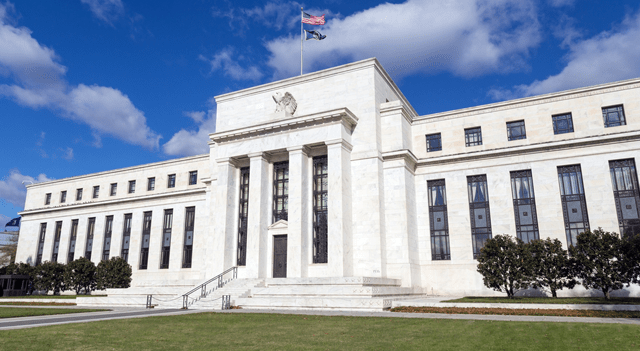
BofA Securities believes that expected interest rate reductions by the Federal Reserve will pave the way for central banks in Latin America’s largest economies to loosen monetary policy in the coming quarters.
According to BofA’s U.S. economics team, the Fed is projected to lower rates by a cumulative 125 basis points by the end of 2026, starting with a 25 basis-point cut as early as September 2025.
“Lower short-term rates in the US facilitate cuts in LatAm, especially in Mexico, which has an economy more linked to the US one,” the bank noted.
Brazil, Colombia, and Mexico currently have some of the highest benchmark rates in the region. Brazil’s Selic rate is at 15% (11% in real terms based on BofA’s year-end 2026 inflation outlook), Colombia’s stands at 9.25% (6.25% real), and Mexico’s is 7.75% (4.25% real). These levels sit well above their central banks’ estimates of neutral rates.
By the close of 2026, BofA expects these rates to fall substantially: 11.25% in Brazil, 7% in Colombia, and 6.50% in Mexico.
The brokerage attributed this outlook to subdued global inflation pressures, softer economic activity in both the U.S. and China, and limited upside in oil prices. It added that “cheap Chinese goods are helping put downward pressure on global goods inflation.”
Brazil: Easing Earlier Than Expected
BofA anticipates Brazil’s central bank could begin cutting rates in December 2025, one month ahead of consensus forecasts. It sees the Selic falling to 11.25% by the end of 2026, citing slower economic activity and easing price pressures. However, risks remain from fiscal loosening, potential currency weakness, and geopolitical uncertainty.
Colombia: Out-of-Consensus Call
For Colombia, BofA reaffirmed its view that the policy rate will drop to 7% by late 2026, lower than the 8.5% implied by market pricing. Still, it pushed its call for the next 25 basis-point reduction to December 2025 from September, after policymakers flagged concerns over strong demand and higher minimum wages. “We do not believe domestic demand is very strong,” the bank argued, noting that recent momentum was fueled by temporary factors such as wage policy and remittance inflows.
Mexico: Peso Strength Creates Space
Mexico’s central bank has already cut rates to 7.75% this year and is expected to lower them further to 6.5% by the end of 2026. BofA said that sluggish growth, a negative output gap, modest job creation, and a resilient peso should keep both headline and core inflation below 4% in 2026. “Fed cuts further support our case,” it added. Still, risks linger, including persistent wage-driven core inflation and the impact of tariffs on Chinese imports.
Overall, BofA said the absence of major global inflationary pressures, combined with weak demand in the world’s two largest economies, will allow Latin America’s biggest markets to ease borrowing costs significantly. But it warned that upside risks remain from stronger-than-expected U.S. rates, a firmer dollar, higher oil prices, and domestic fiscal strains in Brazil and Colombia.
This content is for informational purposes only and does not constitute financial, investment, or other professional advice. It should not be considered a recommendation to buy or sell any securities or financial instruments. All investments involve risk, including the potential loss of principal. Past performance is not indicative of future results. You should conduct your own research and consult with a qualified financial advisor before making any investment decisions.