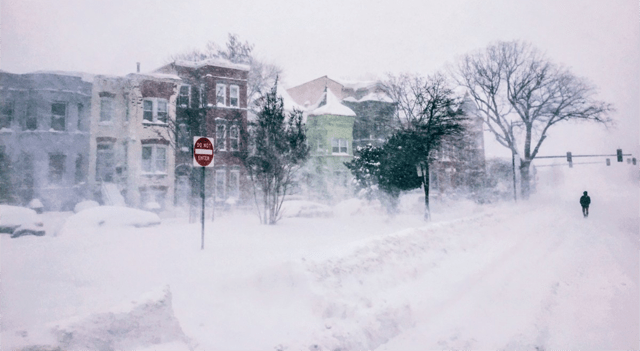
Winter storm Fern is likely to deliver a notable, though temporary, blow to U.S. economic activity, with Bank of America estimating a drag of between 0.5 and 1.5 percentage points on first-quarter GDP growth.
In a client note, BofA analyst Aditya Bhave said the bank is drawing lessons from Winter Storm Viola in 2021, arguing that “past is precedent.”
Bhave pointed out that both weather events placed “roughly half the country under a winter weather advisory,” and that consumer spending weakened sharply during the Viola episode.
In February 2021, consumer spending declined 0.9% month over month, following a 1.3% increase in January. However, BofA cautioned that the sharp swing “probably wasn’t entirely due to Viola,” noting that fiscal stimulus and seasonal effects had helped lift spending in January.
To better isolate the storm’s impact, BofA analyzed aggregated credit and debit card data. The bank found that card spending “was down 3.7% y/y in the week ending February 19, 2021, compared to a trend of about +6% y/y in prior weeks.”
After accounting for a rebound in subsequent weeks, BofA estimated that at least “0.6pp of spending was lost over a one-month period,” translating into roughly a 0.5 percentage point drag on first-quarter 2021 GDP.
Bhave added that the true economic hit from Viola was likely even larger, reflecting a sharper pullback in cash spending and wider disruptions across other GDP components.
Fern, however, has a different profile. Bhave noted that while it appears “less disruptive” to power infrastructure than Viola, it brought heavier snowfall to the Northeast — a region with a higher concentration of high-income households.
Balancing these factors, BofA’s initial assessment points to a 0.5–1.5 percentage point hit to first-quarter 2026 growth.
Even so, Bhave said the setback is “unlikely to be long-lasting,” adding that “there is as much upside to 2Q GDP growth as there is downside to 1Q. We remain bullish.”