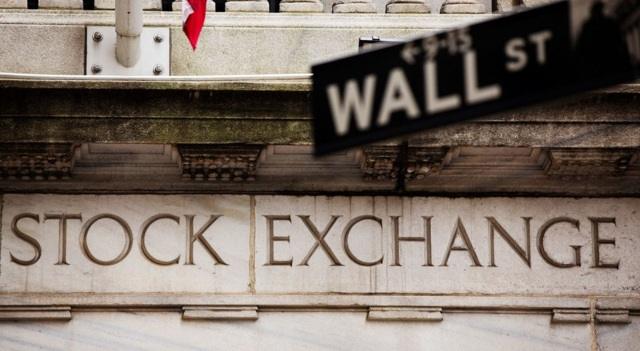
U.S. equity futures pointed to a firmer open on Thursday as investors digested the fallout from a surprisingly strong January jobs report and shifted their attention toward fresh earnings releases and upcoming inflation data.
By 03:01 ET, Dow futures were up 143 points, or 0.3%, S&P 500 futures had gained 0.3%, and Nasdaq 100 futures were also 0.3% higher.
Markets reassess Fed path after payrolls
Wall Street ended Wednesday’s session on a muted note. The Dow Jones Industrial Average slipped 0.1% but held above the 50,000 threshold it crossed earlier in the week. The S&P 500 closed flat, while the Nasdaq Composite lost 0.2%. Treasury yields climbed as traders recalibrated expectations for Federal Reserve rate cuts following the latest labor data.
January nonfarm payrolls showed the U.S. economy added 130,000 jobs, comfortably above forecasts, while the unemployment rate dipped to 4.3%. However, much of the hiring was concentrated in healthcare, long a structural driver of employment growth due to demographic trends.
Other areas of the economy showed signs of cooling, particularly professional and business services, potentially reflecting the growing influence of artificial intelligence on white-collar hiring. Federal government payrolls were also hit by efforts under the Trump administration to reduce the size of the public sector.
ING analysts noted that “sizeable” downward revisions to prior months suggest that outside a handful of industries, “the economy has actually been consistently losing jobs.”
“This suggests the risks remain tilted toward the Fed cutting rates more than the two reductions currently in our forecast,” they added.
Despite those nuances, the headline strength of the report has pushed back expectations for the next rate cut. Markets are now pricing in the first move as late as July, compared with earlier bets on a June easing. The Fed had previously lowered borrowing costs several times in 2025 in response to softer labor conditions.
Cisco tumbles on margin shortfall
In corporate news, Cisco Systems (NASDAQ:CSCO) slid more than 7% in after-hours trading after reporting a quarterly gross margin that came in below expectations.
A surge in demand for data center infrastructure supporting AI applications has tightened global memory chip supply and driven up component costs. Cisco, whose networking hardware relies heavily on these chips, has felt the pressure.
Adjusted gross margin for the company’s second quarter came in at 67.5%, missing analysts’ forecasts of 68.14%, according to LSEG data.
CEO Chuck Robbins said during the earnings call that Cisco has already implemented price increases and updated customer contracts. The company continues to see strong demand for its networking systems and optics, with AI-related orders expected to exceed $5 billion this fiscal year.
Later in the session, results are due from Arista Networks and chip equipment maker Applied Materials.
Gold eases as rate-cut hopes fade
Gold and silver prices softened in European trading as the upbeat payrolls data dampened expectations of near-term monetary easing. CME FedWatch data indicate a 92.5% probability that the Fed will leave rates unchanged in March and a 79.1% chance of no move in April.
A stronger U.S. dollar also weighed on precious metals overnight. Still, prices retained most of their weekly gains, underpinned by safe-haven demand amid ongoing tensions between the U.S. and Iran.
Oil holds steady amid Middle East tensions
Crude prices edged slightly higher as geopolitical concerns persisted. Brent futures were up 0.2% at $69.56 a barrel, while U.S. West Texas Intermediate gained 0.3% to $64.81.
Both benchmarks had risen about 1% on Wednesday after reports that Washington was considering deploying a second aircraft carrier to the region. Although recent talks between Tehran and Washington suggested limited progress, no definitive agreement has been reached on Iran’s nuclear program, keeping energy markets alert to potential supply risks.