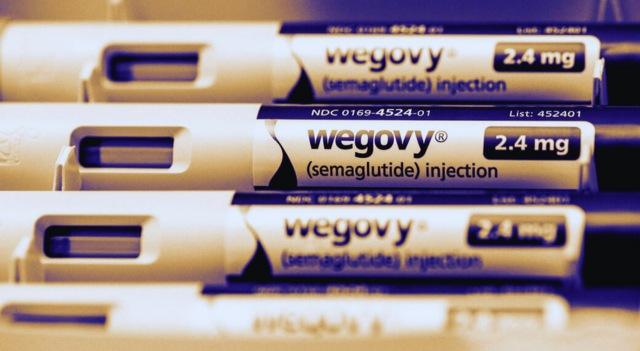
Shares of Novo Nordisk (NYSE:NVO) climbed more than 3% on Wednesday after the U.S. Food and Drug Administration sent warning letters to 30 telehealth companies over false or misleading marketing of compounded GLP-1 medications, including versions of the company’s semaglutide and Eli Lilly’s tirzepatide.
According to the FDA, the companies breached regulations by promoting compounded products as “generic Zepbound” or “generic Mounjaro,” the brand names for Lilly’s tirzepatide. Some firms also marketed the medications under proprietary brand names without clearly stating that they were produced by compounding pharmacies.
The agency emphasized that compounded medicines are not approved by the FDA and should not be considered equivalent to generic drugs. Companies that received warning letters have 15 working days to submit a written response.
“Compounded drugs can be important for overcoming shortages or meeting unique patient needs—but compounders should not try to compound drugs in a way that circumvents FDA’s approval process,” FDA Commissioner Marty Makary said in a statement on Tuesday.
The move represents the second batch of warning letters since the regulator began tightening oversight of misleading direct-to-consumer pharmaceutical advertising in September.
The FDA said it has issued thousands of such warnings to pharmaceutical and telehealth companies during the past six months—more than the total number sent in the entire previous decade.
Citi Research noted that the letters may carry greater significance given the increasingly strict regulatory climate.
The brokerage highlighted the FDA’s decision to refer Hims & Hers to the Department of Justice in early February as an indication that stronger enforcement measures could follow, particularly as broader Medicare access to GLP-1 treatments is expected in the second quarter.
Citi also said Commissioner Makary has separately indicated plans to restrict the active pharmaceutical ingredients used in compounded GLP-1 products, a step that could further limit the market for compounding pharmacies.