Progress made, but no final agreement yet
The United States and Iran have reportedly reached a preliminary understanding that would extend the current ceasefire, reopen shipping routes through the Strait of Hormuz, and ease certain U.S. sanctions and restrictions on Iran, according to sources cited by Reuters.
While such an agreement would mark a significant step toward ending a conflict that has heightened fears of a global energy shock, many of the most complex issues remain unresolved and would require further negotiations in the weeks ahead.
Where do negotiations currently stand?
Since a ceasefire was reached in early April, Washington and Tehran have continued to disagree on several critical issues, including Iran’s nuclear activities, the conflict involving Israel and Hezbollah in Lebanon, and Tehran’s demands for sanctions relief and access to frozen assets.
Following weeks of largely indirect diplomacy, four sources familiar with the discussions said on Thursday that both sides had agreed to a memorandum of understanding designed to stop the fighting and provide negotiators with a 60-day window to reach a broader settlement.
Despite the apparent progress, officials on both sides have repeatedly suggested that an agreement was close in previous rounds of negotiations without ultimately reaching a final deal.
Israel’s position also remains a crucial factor. Israel joined the United States in launching military operations against Iran on February 28, yet its role in the proposed framework remains unclear.
According to the sources, U.S. President Donald Trump has not yet formally approved the agreement.
Vice President JD Vance told reporters on Thursday: “We’re not there, but we’re very close and we’re going to keep working on it”.
Iran has yet to issue an official response. However, the semi-official Tasnim news agency quoted a source close to the Iranian negotiating team who said the text had not yet been finalized or confirmed.
Iranian officials have previously indicated that any initial framework would focus primarily on ending hostilities, establishing a 30-day structure governing international and Iranian access through the Strait of Hormuz, and potentially providing limited economic relief.
More difficult issues would then be addressed in follow-up negotiations, including the future of Iran’s enriched uranium stockpile, the long-term status of the Strait of Hormuz, sanctions relief mechanisms, and broader security arrangements.
The complexity of these discussions should not be underestimated. The previous nuclear agreement reached in 2015, which was later abandoned by Trump in 2018, required years of negotiations involving large teams of technical experts.
Strait of Hormuz and the Gulf blockade
One of the most urgent issues concerns the Strait of Hormuz, through which roughly 20% of global oil and liquefied natural gas supplies normally pass.
Iran’s restrictions on traffic through the waterway have contributed to higher energy prices, making its reopening a top priority for Washington.
At the same time, the strait remains one of Tehran’s most powerful bargaining tools.
Even if an agreement is reached, restoring normal shipping conditions could take time. Numerous vessels remain stranded in the Gulf, while Iran has stated that sea mines were deployed in some areas, potentially complicating efforts to fully reopen the route.
Another major issue is the U.S. blockade affecting Iranian ports. The restrictions have damaged Iran’s exports and reduced government revenue, making their removal one of Tehran’s primary objectives.
Questions also remain regarding the extent of any future U.S. military withdrawal from the region.
The nuclear issue remains highly complex
Washington maintains that Iran seeks the capability to build a nuclear weapon.
Iran has consistently rejected that accusation, arguing that its nuclear program serves exclusively peaceful purposes.
The central issue remains uranium enrichment. While enriched uranium is required for civilian nuclear power generation, it can also be used in weapons development if processed to sufficiently high levels.
Iranian sources have suggested that Tehran could eventually agree to dilute a portion of its highly enriched uranium in a friendly country, reducing enrichment levels to around 5% before the material is returned.
However, many other questions remain unresolved.
Negotiators would need to address the duration of any suspension of nuclear activities, the future of nuclear facilities, the handling of uranium enriched to 20% and 5%, the fate of advanced centrifuge technology, research programs, and the design of a future inspection regime.
Ballistic missiles remain a sticking point
Before the war began, one of Washington’s key demands was that Iran reduce the range of its ballistic missile arsenal to prevent it from threatening Israel.
Iran has consistently rejected restrictions on its conventional military capabilities, maintaining that its missile program is not open for negotiation.
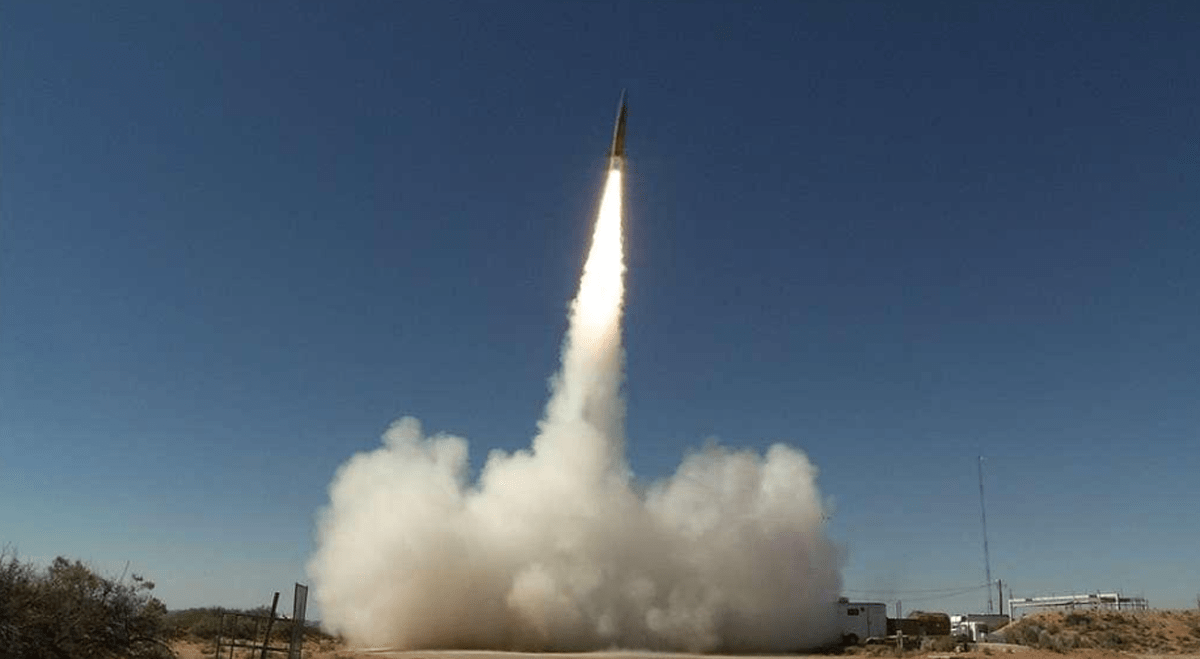
Tehran also insists that it continues to possess a substantial missile inventory.
Sanctions relief and frozen assets
Economic sanctions have weighed heavily on Iran’s economy for years and have contributed to repeated episodes of domestic unrest.
The Iranian government is seeking broad sanctions relief, the release of tens of billions of dollars in frozen oil revenues held overseas, and compensation for damage caused during the conflict.
The United States has historically been reluctant to agree to large-scale asset releases.
Trump has frequently criticized former President Barack Obama for returning certain frozen Iranian assets under the 2015 nuclear agreement.
Some media reports suggest that the latest draft framework may include provisions for investment programs aimed at supporting Iran’s economy.
Lebanon remains a major regional challenge
Iran has repeatedly insisted that Israel’s military campaign against Hezbollah in Lebanon must form part of any broader settlement.
Although Israel and Lebanon reached a ceasefire last month, both Israel and Hezbollah continue to accuse one another of repeated violations.
At the same time, Israel has intensified military operations in southern Lebanon.
Any agreement that restricts Israel’s freedom of action in Lebanon would likely face strong opposition from the Israeli government, making the issue another potentially difficult hurdle in future negotiations.
A framework, not a final peace deal
While recent reports suggest that meaningful progress has been made, negotiators remain far from resolving the most difficult issues at the heart of the conflict.
A preliminary framework could help reduce immediate tensions, restore energy flows and create conditions for broader talks.
However, questions surrounding Iran’s nuclear program, regional security, sanctions, missile capabilities and the future role of Israel remain unresolved, meaning that even if a ceasefire extension is agreed, the path to a comprehensive settlement could still be long and complex.