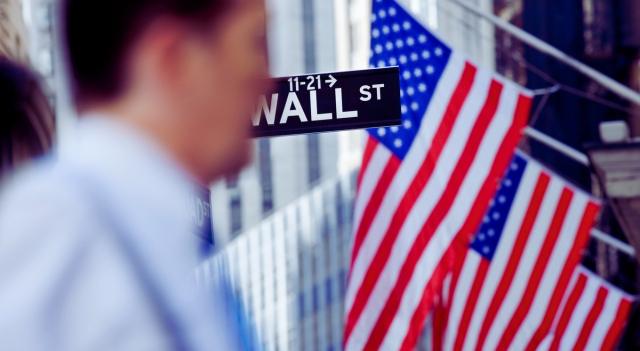
Wall Street closed broadly higher on Friday as two major storylines captured investor attention: the historic debut of SpaceX on the Nasdaq and mounting optimism that the United States and Iran are on the verge of a deal that would reopen the Strait of Hormuz. The combination of a record-breaking IPO and the prospect of easing energy prices proved enough to push all three major indexes into positive territory heading into the weekend.
What Moved Markets
The Dow Jones Industrial Average gained 339 points, or 0.67%, to close at 51,188. The S&P 500 added 37 points, or 0.50%, finishing at 7,431. The Nasdaq Composite rose 79 points, or 0.31%, to end the session at 25,889. All three indexes posted gains for the week as investors leaned into the dual tailwinds of a diplomatic breakthrough on Iran and a blockbuster market debut from Elon Musk’s rocket company.
The Iran factor was hard to ignore. U.S. crude oil settled below $85 per barrel — a sharp drop from the triple-digit prices that had weighed on consumers and markets for months — after a senior Trump administration official put the odds of a U.S.-Iran agreement at 80%. The proposed deal would lift sanctions, dismantle Iran’s nuclear program, and reopen the Strait of Hormuz, a critical chokepoint through which roughly 20% of the world’s oil supply passes. Iran’s Foreign Minister described the memorandum of understanding as “closer than ever.” Lower energy costs gave a lift to consumer-facing sectors and helped investors look past still-elevated inflation expectations.
Adding to the positive mood, a closely watched consumer confidence gauge came in better than expected. The University of Michigan’s preliminary reading on consumer sentiment for June rose to 48.9, up from May’s record low of 44.8 and ahead of the consensus estimate of 46. Year-ahead inflation expectations edged down to 4.6% from 4.8%. The read suggests that while Americans remain cautious about the economy, falling gas prices are providing some relief to household budgets.
Notable Movers
SpaceX (SPCX) was the undisputed story of the day. Elon Musk’s rocket and satellite internet company priced its IPO at $135 per share — already the largest IPO on record, seeking to raise about $75 billion — and closed its first trading session at $161.11, a gain of nearly 19%. The stock traded as high as $176.52 intraday before settling back. At its closing price, SpaceX carries a market valuation of roughly $1.75 trillion, cementing Musk’s status as the world’s first trillionaire. Demand for the stock was intense throughout the session, reflecting investor appetite for space economy and Starlink’s global broadband business.
Energy stocks were the session’s clearest losers as crude oil prices tumbled on Iran deal hopes. The energy sector fell roughly 1% as the prospect of more oil supply hitting global markets weighed on producers. The pain was concentrated in exploration and production names that had benefited from elevated prices earlier this year.
Arm Holdings (ARM) gained more than 5% on the session, continuing a recent run tied to robust demand for its chip designs used in AI workloads. The stock has been a beneficiary of renewed optimism around artificial intelligence infrastructure spending.
Intuitive Machines (LUNR) fell nearly 12% after the company reported weaker-than-expected results from its latest lunar delivery mission. The stock had been a speculative favorite in the space sector but gave back gains sharply as investor enthusiasm cooled following the SpaceX IPO.
Wolfspeed (WOLF) dropped roughly 11% after the silicon carbide chipmaker issued a cautious outlook, citing persistent weakness in demand from electric vehicle manufacturers and industrial customers. The company has struggled with overcapacity issues that have weighed on margins throughout 2026.
Looking Ahead
Investors will start next week with one eye on the Iran negotiations. Any formal agreement to reopen the Strait of Hormuz could send oil prices lower still, offering a meaningful boost to consumer sentiment and corporate margins — but a breakdown in talks could just as quickly reverse the week’s gains. On the economic calendar, the Federal Reserve begins its two-day policy meeting on June 16, with a rate decision expected on June 17. Fed Chair Jerome Powell’s commentary on inflation trends will be closely parsed, particularly after this week’s consumer sentiment data suggested households are still bracing for prices to stay higher for longer. Earnings season is largely in the rearview mirror, but CarMax (KMX) reports June 17, offering a read on consumer spending on big-ticket items. For now, the market has found a reason to celebrate — but as always, the weekend will test whether the enthusiasm holds.