Amazon’s Leo satellite broadband initiative faces a number of operational hurdles in the near term, but Barclays believes the project retains substantial long-term potential, arguing that even a second-place position in the global satellite connectivity market could generate significant value.
Leo, Amazon’s low-Earth-orbit satellite network previously known as Project Kuiper, is nearing an important development milestone that could pave the way for a commercial launch as soon as the middle of the third quarter. According to Barclays analysts led by Ross Sandler, this progress “could be a small sentiment tailwind for AMZN.”
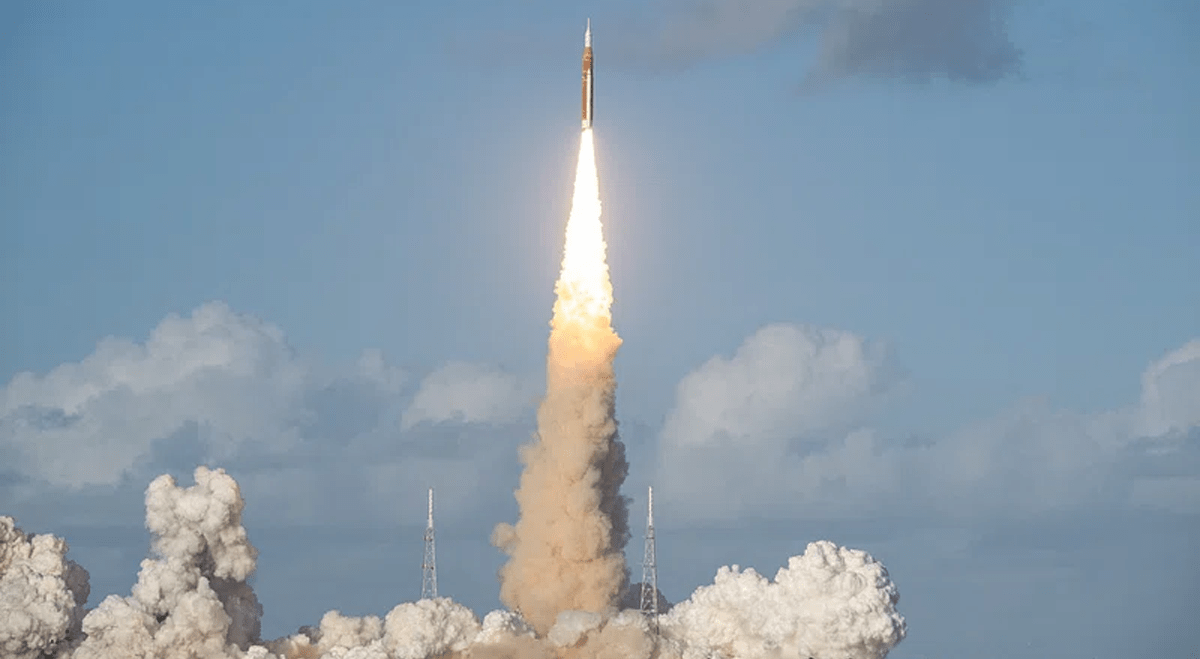
However, the route to commercialization has become increasingly challenging. Launch schedules have been disrupted repeatedly, with the latest setback occurring after an explosion during testing damaged the sole launch pad used by Blue Origin’s New Glenn rocket, leaving the vehicle sidelined for an undetermined period.
Although Blue Origin has indicated that flights could resume before the end of the year, some industry estimates suggest recovery efforts may take more than twelve months. As a result, Amazon may need to rely more heavily on a limited number of alternative launch providers after originally planning for New Glenn to deploy 48 satellites.
One of those alternatives, United Launch Alliance’s Atlas V rocket, has only a single remaining mission available for Amazon, with no further rockets scheduled for production.
Meanwhile, ULA’s newer Vulcan Centaur rocket is gradually increasing operations but has encountered anomalies on two of its four launches to date, and achieving a higher launch frequency will take time. European provider Arianespace remains another option, although it has yet to establish a reliable monthly launch schedule.
Barclays expects these constraints to reduce Amazon’s North American retail operating margin by roughly 125 basis points during the second quarter. The impact is expected to ease from the fourth quarter as related costs begin to be capitalized. Analysts noted that moving Prime Day into the second quarter could help offset part of the pressure.
Despite trailing Starlink in both launch capability and network capacity, Barclays believes broader industry trends continue to support Amazon’s long-term prospects.
“Connectivity is an enormous market that likely evolves into oligopoly-like structures with the industry leader way in front, but solid revenue opportunities for the second- and third-place companies,” the bank’s analysts wrote.
“Being second place in an enormous industry (satellite connectivity) is still a very attractive proposition for AMZN bulls,” they said.
Barclays expects Leo to compete effectively with existing satellite internet providers from a service-quality perspective, even if it initially lacks comparable scale. The bank also anticipates rapid subscriber growth following launch, supported by Amazon’s ability to market the service directly to its extensive Prime membership base.
Looking further ahead, Barclays forecasts that Leo could generate more than $10 billion in annual revenue by 2030 while delivering operating margins above 40%.