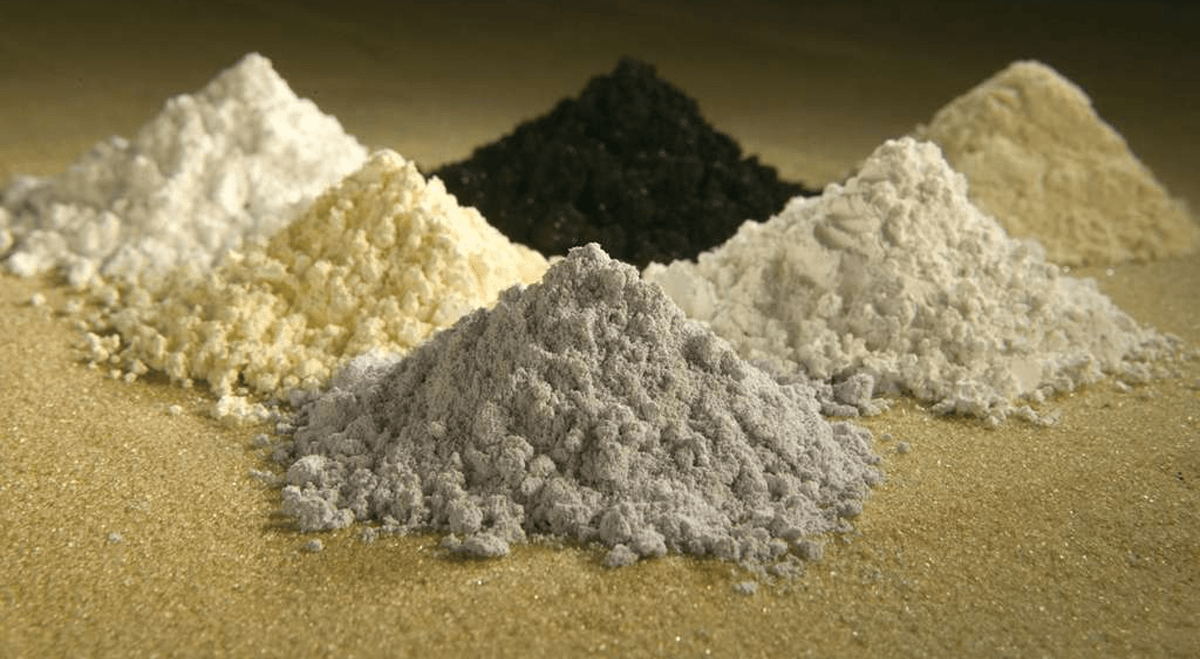
The International Energy Agency (IEA) has warned that the full implementation of China’s rare earth export restrictions could place approximately $6.5 trillion of industrial production outside China at risk, highlighting the vulnerability of global supply chains for critical minerals.
China remains the world’s largest producer of rare earth elements and has continued to tighten oversight of exports through expanded controls and new licensing requirements, although implementation of the latest measures has been delayed by one year.
Critical minerals remain essential to key industries
Rare earth elements comprise a group of 17 metals that are used in relatively small quantities but are indispensable across a wide range of industries, including automotive manufacturing, aerospace, electronics, defence systems and renewable energy technologies.
According to the IEA’s Global Critical Minerals Outlook, if China’s export controls are fully enforced, manufacturers in several strategic sectors could face significant supply disruptions affecting around $6.5 trillion in downstream economic activity.
The agency estimates that the United States and Europe would account for almost half of the potential economic impact.
“Our latest analysis shows that vast amounts of economic value depend on relatively small volumes of critical minerals, whose supply chains remain highly concentrated and are therefore vulnerable,” IEA Executive Director Fatih Birol said.
Graphite restrictions could create further challenges
The IEA also highlighted concerns surrounding China’s proposed export restrictions on graphite, another strategically important mineral used extensively in electric vehicle batteries.
Although those measures were announced alongside the rare earth controls and later postponed, the agency estimates that their full implementation could place approximately $300 billion of manufacturing activity outside China at risk.
China currently produces more than 90% of the world’s processed graphite.
Western countries expand alternative supply chains
Governments in North America and Europe have accelerated efforts to diversify supplies of critical minerals and reduce reliance on China.
According to the IEA, public funding commitments for new critical mineral projects increased more than fourfold between 2023 and 2025, reaching US$65 billion.
The agency added that new rare earth refining facilities in the United States and Malaysia reduced China’s share of global refining capacity to 85% last year, compared with 90% in 2023.
If currently planned projects are completed on schedule, China’s market share could decline further to around 70% by 2035.