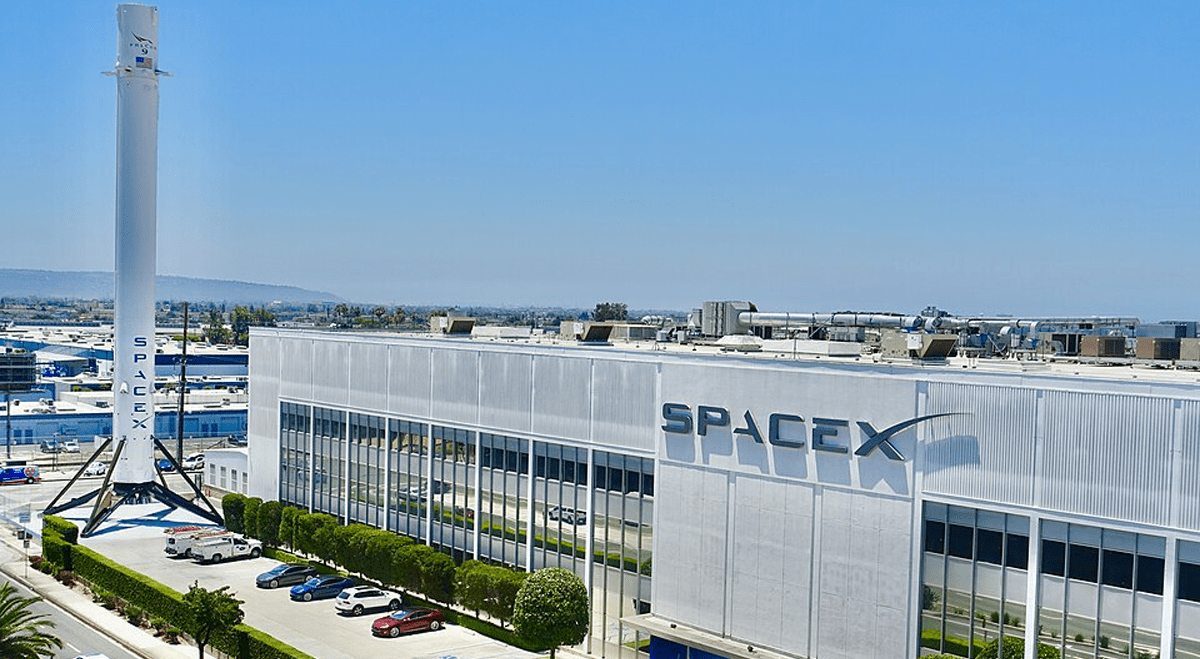
SpaceX (NASDAQ:SPCX) short sellers have amassed an estimated $15.5 billion in unrealized gains as the aerospace company’s shares continue to retreat from the highs reached shortly after its public market debut, according to data from Ortex Technologies cited by Reuters.
The stock has fallen below its initial public offering price, marking a sharp reversal after its strong start on the Nasdaq.
Shares erase post-listing gains
SpaceX priced its IPO at $135 per share on June 11, 2026, before climbing to an intraday high of $225.64 just five days later.
By the close of trading on July 22, however, the stock had dropped to $115.26 after falling 6.7% during the session. The shares now trade roughly 49% below their record high and around 15% beneath the IPO price.
The decline has encouraged a significant increase in bearish positioning since the company’s market debut.
Short interest climbs sharply
According to Ortex Technologies, nearly 196 million SpaceX shares were being sold short in late July, representing approximately 31% of the company’s free float. At the time of the IPO, short interest stood at roughly 40 million shares, or between 5% and 7% of the tradable float.
Separate figures from S3 Partners, reported by CNBC, estimated short interest at approximately 185 million shares, or 29% of the float, as of July 16.
Bearish positions continue to grow
The rapid increase in short-selling activity has translated into substantial unrealized gains.
Ortex estimated paper profits at $8.7 billion on July 16, meaning short sellers added almost $7 billion in unrealized gains within less than a week as the stock continued to decline.
Peter Hillerberg, co-founder of Ortex Technologies, described the trend as highly unusual.
“SpaceX has been a rollercoaster for the short sellers, and it has ended up firmly in their favor,” Hillerberg said.
“Rather than take profits, the bears kept adding the whole way down.”
Hillerberg also noted that approximately 49% of SpaceX’s free float is currently on loan, with Ortex believing that most of those borrowed shares are being used to support active short positions.
Earnings and lock-up expiry remain key catalysts
The size of the short position leaves both bullish and bearish investors exposed to significant volatility.
According to Ortex, every one-dollar move in SpaceX shares changes the value of outstanding short positions by more than $300 million, increasing the potential for a sharp short squeeze if sentiment reverses.
“We are seeing continuous demand from short sellers building speculative positions since the IPO,” Matthew Unterman, head of research at S3 Partners, told CNBC.
Meanwhile, Elon Musk warned on X that “the survival probability of firms who maintain a significant short position in SpaceX over time is very low.”
Investor concerns surrounding debt-financed artificial intelligence spending and the Starship launch abort in mid-July, which wiped roughly $100 billion from the company’s market value, have contributed to the stock’s recent weakness.
Attention is now turning to SpaceX’s first earnings report as a public company, scheduled for August 4, 2026.
Two days later, the first major lock-up period will expire, allowing insiders to sell up to 20% of their eligible restricted shares, equivalent to as many as 911.5 million shares, according to CNBC. That potential increase in supply is expected to be a major test for the stock in the weeks ahead.