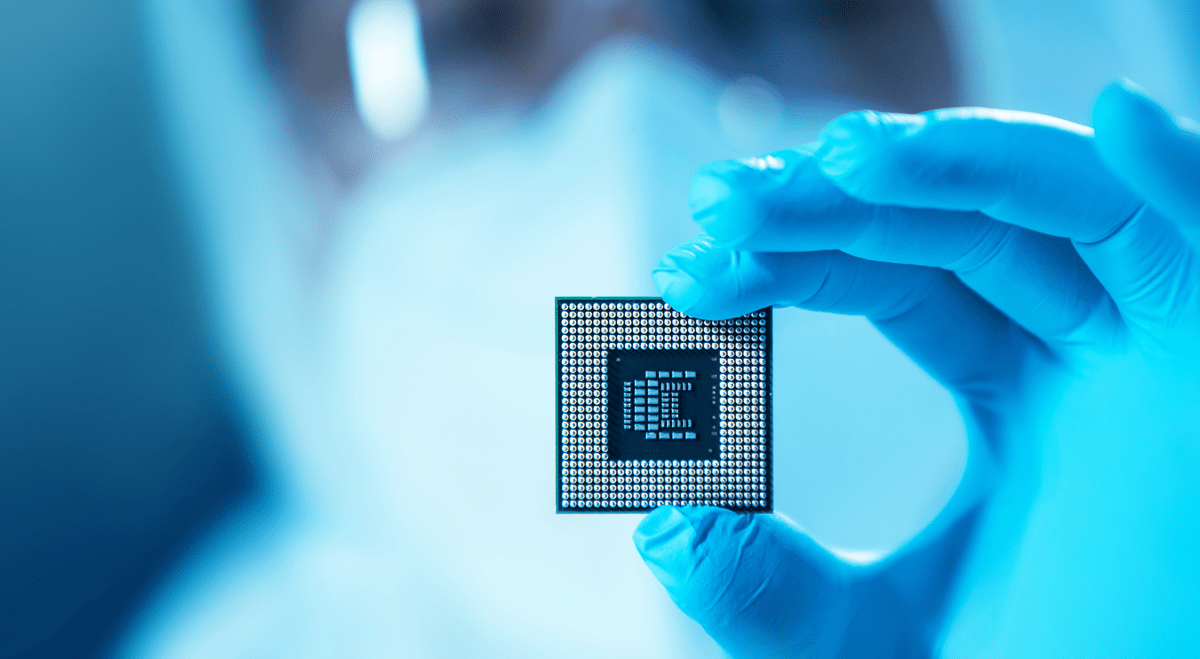
Citi believes the recent sell-off in memory chip stocks presents a buying opportunity, arguing that the artificial intelligence-driven memory cycle is still in its early phases and could ultimately exceed the industry’s previous boom between 2001 and 2007.
The bank says the current environment shares many similarities with the long NAND expansion seen during the early 2000s, when products such as MP3 players and digital cameras transformed demand and flash memory steadily replaced older storage technologies.
Recent Pullback Follows Powerful Rally
Memory chip makers have retreated sharply after posting substantial gains earlier this year. Shares of Micron (NASDAQ:MU), Samsung Electronics Co Ltd (USOTC:SSNHZ) and SK Hynix (NASDAQ:SKHY) have each fallen by more than 20% from recent highs as investors became concerned about elevated valuations and the sustainability of AI-related capital spending.
Despite that weakness, Citi believes the long-term investment case remains intact.
The bank said the current cycle “is likely to outperform the ’01–’07 upcycle given that AI demand is driving both DRAM and NAND demand.”
Long-Term Contracts Reinforce Demand Outlook
According to Citi, one of the strongest indicators that the current upcycle still has room to run is the increasing use of long-term agreements.
Customers are reportedly signing contracts lasting between three and five years, suggesting confidence that demand will remain elevated for longer than many investors originally anticipated.
The bank believes these agreements improve long-term earnings visibility across the sector.
HBM Supply Constraints Continue to Shape AI Infrastructure
Citi also highlighted the ongoing shortage of high-bandwidth memory (HBM), which it expects will influence how artificial intelligence infrastructure evolves.
Rather than concentrating computing power into a smaller number of GPUs with very high HBM content, AI developers are increasingly expected to adopt a “scale-out” strategy by deploying larger numbers of GPUs with lower HBM capacity per chip.
Even so, Citi forecasts that overall HBM capacity within AI systems will continue expanding rapidly.
The bank estimates total HBM capacity per AI system will increase by 434%, rising from 20.7 terabytes to 110.6 terabytes as the number of GPUs per system grows from 72 to 576.
Citi Remains Positive on SK Hynix
The bank also pointed to comments from SK Hynix during its second-quarter earnings call, where management indicated it is evaluating additional shareholder return initiatives.
Following the recent decline in the share price, Citi expects the company to unveil a capital return programme before reporting third-quarter earnings.
“As the mid-to-long-term earnings visibility becomes clear, supported by the ongoing AI memory upcycle and the substantial advance payments secured through LTA agreement, we anticipate Hynix to share constructive market outlook as well as decent shareholder returns,” the analysts wrote.
Citi maintained its Buy rating on SK Hynix, raised its operating profit forecasts for 2026 and 2027 by 4% and 3%, respectively, and left its price target unchanged at 3,100,000 won.