U.S. quick-service restaurant traffic lost some momentum in July, according to Placer data analysed by Jefferies, as weaker trends across chicken and pizza restaurants partially reversed the improvement recorded in June.
Restaurant traffic loses momentum in July
Jefferies Restaurants analyst Andy Barish said industry same-store sales increased 1.7% in July, around 10 basis points below the June level.
Traffic deteriorated by approximately 20 basis points, while average check improved by about 10 basis points.
For July as a whole, restaurant traffic declined approximately 2.1%, compared with a drop of roughly 1.8% recorded through the first half of the month.
Jefferies suggested that external factors may have contributed to the deterioration later in the period. These included potential disruption from Canadian wildfire smoke as well as concerns surrounding Cyclospora-related foodborne illness.
QSR same-store sales remain at 1.8%
Within the quick-service restaurant category, same-store sales were unchanged sequentially at 1.8%.
Traffic weakened by approximately 30 basis points compared with the previous month, although a higher average check offset the decline.
The two-year average trend was more encouraging, improving by around 40 basis points from June.
The figures suggest that customer spending remained relatively resilient even as the number of restaurant visits softened.
Placer data points to sequential QSR slowdown
Jefferies also examined Placer trends covering approximately 50 of the larger restaurant banners operating in the U.S.
The analysis indicated that overall QSR traffic weakened by approximately 61 basis points in July compared with June.
That decline reversed part of the roughly 145-basis-point improvement recorded during the previous month, suggesting that June’s stronger momentum was not fully sustained.
Chicken and pizza traffic underperform
Performance varied considerably between the major quick-service restaurant categories.
Burger traffic improved modestly, strengthening by approximately 46 basis points compared with June.
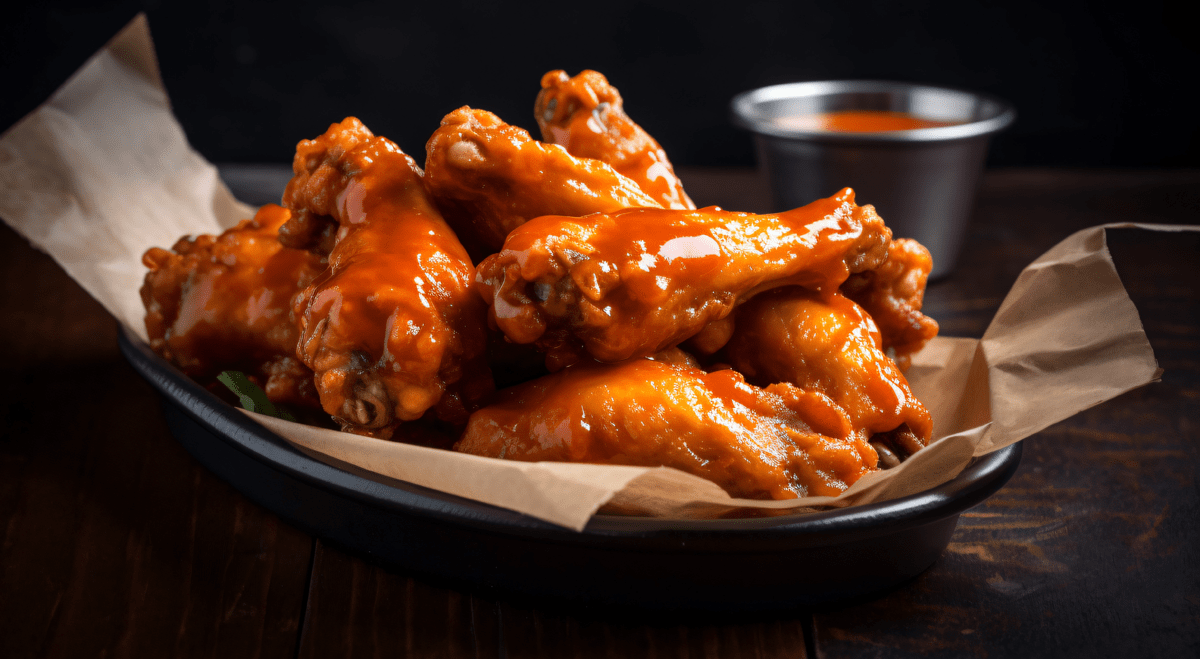
Chicken restaurants moved in the opposite direction, with traffic deteriorating by around 60 basis points.
Pizza recorded an even larger sequential decline, weakening by approximately 79 basis points.
The divergence suggests that the July slowdown was concentrated in particular QSR categories rather than representing an equally pronounced deterioration across the entire sector.
Lamb Weston data presents a mixed QSR picture
Jefferies also highlighted recent commentary from Lamb Weston regarding U.S. restaurant activity.
The company characterised overall U.S. restaurant traffic as approximately flat in its fourth-quarter results, with total QSR traffic also broadly unchanged.
Within individual categories, Lamb Weston indicated that QSR chicken traffic increased approximately 3%, while burger traffic declined by roughly 4%.
Those figures differ from the sequential trends identified in Jefferies’ Placer analysis, highlighting the varying signals emerging from different industry datasets and measurement periods.
Investors watch consumer restaurant demand
The July data indicates that U.S. quick-service restaurants surrendered some of the traffic improvement achieved in June, although same-store sales remained positive as higher average spending helped compensate for fewer visits.
Chicken and pizza were the main areas of weakness in Jefferies’ analysis, while burgers showed a modest improvement.
Restaurant operators and investors will now be watching whether July’s softer traffic represents a temporary setback linked partly to weather and health concerns or signals a broader weakening in consumer demand during the second half of the year.