LG Corp and Nvidia (NASDAQ:NVDA) have signed a memorandum of understanding to deepen their strategic collaboration across robotics, artificial intelligence factories and next-generation mobility technologies.
The agreement brings together LG’s manufacturing and technology operations with Nvidia’s AI computing platforms as the South Korean group looks to accelerate the adoption of physical AI across factories, robots and vehicles.
LG targets humanoid robot launch in early 2027
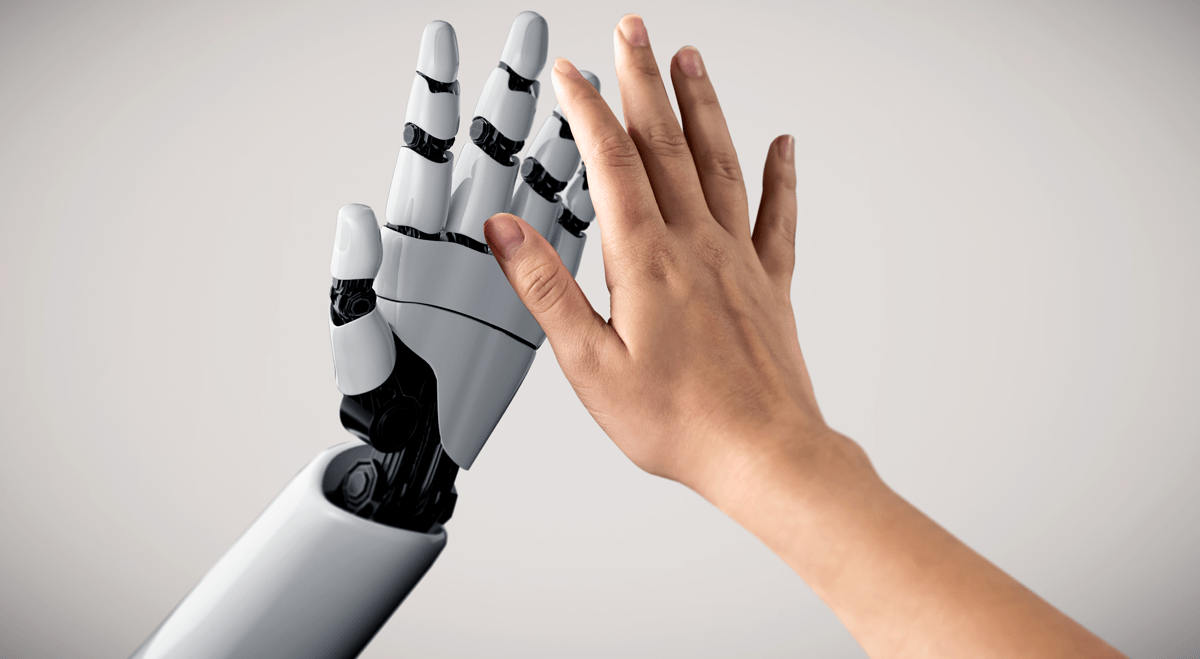
Robotics will form a major part of the expanded partnership, with LG planning to introduce a next-generation bipedal humanoid robot during the first quarter of 2027.
The robot will be developed using Nvidia Isaac GR00T, the company’s foundation model and development platform designed for humanoid robotics.
Before that launch, LG intends to begin testing autonomous robotic technology in its manufacturing operations. A wheeled robot is scheduled to be deployed during 2026 on a washing machine production line at LG’s Tennessee factory as a proof-of-concept project.
The trial will allow LG to assess how AI-powered robots can operate alongside existing manufacturing systems before potentially expanding their use across additional facilities.
Nvidia Vera Rubin to underpin LG AI factory
LG is also planning to establish a reference site for an AI factory based on Nvidia’s Vera Rubin computing platform during the first half of 2027.
The project is intended to provide the computing infrastructure required for increasingly sophisticated artificial intelligence workloads and support LG’s broader efforts to integrate AI into its industrial operations.
LG plans to expand the facility in South Korea to a capacity of 80 megawatts during the first half of 2028, highlighting the scale of computing resources the company expects to require as its AI initiatives develop.
The investment could provide a foundation for training, deploying and operating advanced AI systems across LG’s manufacturing and technology businesses.
Partnership extends into AI-powered vehicles
Mobility represents another important area of cooperation between the two companies.
LG plans to develop a next-generation AI-defined vehicle platform based on Nvidia DRIVE Hyperion, extending the partnership into automotive computing and intelligent transportation.
Nvidia DRIVE Hyperion provides a reference architecture for autonomous and AI-powered vehicles, combining computing hardware, sensors and software designed to support increasingly sophisticated driving capabilities.
The initiative could allow LG to build on its existing automotive technology operations while expanding its role in software-defined and AI-enabled vehicles.
LG deepens physical AI strategy with Nvidia
The memorandum covers several areas where Nvidia has been expanding its technology beyond traditional data-centre computing, including humanoid robotics, industrial AI infrastructure and autonomous mobility.
For LG, the collaboration provides access to Nvidia platforms spanning Isaac GR00T, Vera Rubin and DRIVE Hyperion as it seeks to incorporate artificial intelligence more deeply across its operations.
The planned humanoid robot, Tennessee manufacturing trial, South Korean AI factory and next-generation vehicle platform together demonstrate the breadth of the partnership and LG’s ambition to apply AI across both industrial and consumer-facing technologies.