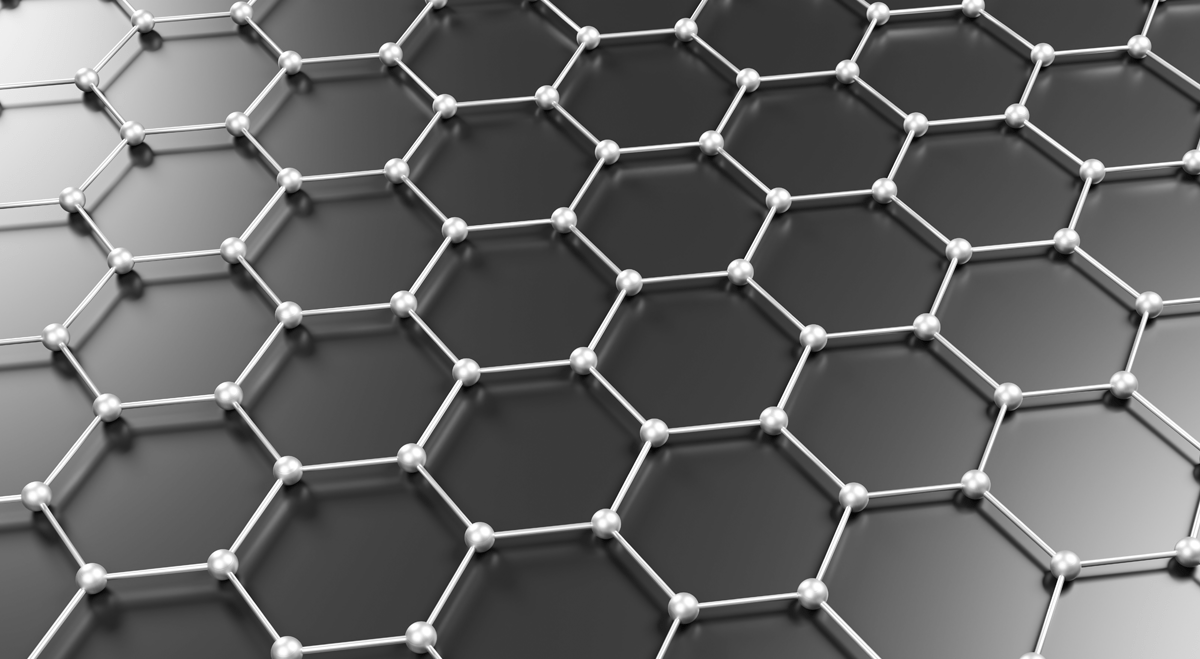
QTREX has demonstrated a patent-pending process that converts sections of 3D-printed insulation directly into conductive graphene-like carbon, with cryogenic validation and a commercial launch of its DF INSU300 material now among the next milestones.
Key Investor Takeaways
- QTREX (NASDAQ:QTEX) achieved direct conversion of 3D-printed dielectric material into electrically conductive, graphene-like carbon without adding separate conductive materials.
- The technology is being developed as an integrated stray-photon absorber designed to protect superconducting quantum processors from radiation that can contribute to shorter qubit lifetimes and higher error rates.
- Research at Northeastern University produced conductive carbon across all 20 laser-processing conditions tested, while Raman spectroscopy confirmed a graphene-like structure.
- Cryogenic and high-frequency testing is underway to determine how the technology performs under conditions relevant to quantum computing infrastructure.
- QTREX targets commercial launch of its DF INSU300 dielectric material by the end of Q3 2026, creating a near-term commercialization milestone.
Why QTEX Stock Is in Focus
QTREX (NASDAQ:QTEX) has demonstrated a patent-pending technology that uses localized laser processing to transform selected areas of 3D-printed dielectric insulation into electrically conductive, graphene-like carbon.
Rather than adding conductive materials or assembling separate components, the process turns the printed insulation itself into patterned conductive structures. QTREX is now integrating these structures into quantum packages as monolithic absorbers intended to intercept stray photons before they reach sensitive superconducting circuits.
Research conducted at Northeastern University using QTREX’s Additively Manufactured Electronics platform and DF INSU300 dielectric generated conductive carbon under all 20 laser-processing conditions tested. Raman spectroscopy confirmed the graphene-like structure of the resulting carbon.
The research also showed that laser power and scan speed could control electrical resistance and conversion depth. According to QTREX, this allowed researchers to establish a manufacturing window balancing electrical characteristics against the structural integrity of the printed substrate.
Why This Matters for Investors
The development addresses a specific challenge associated with scaling superconducting quantum processors: stray radiation can break Cooper pairs and generate quasiparticles, potentially reducing qubit lifetimes and increasing error rates.
QTREX’s approach is designed to integrate photon protection directly into printed quantum packages and interconnects instead of relying on separate components. If validation supports the intended performance, that architecture could reduce assembly interfaces and the physical space required for protection inside a cryostat.
The announcement also advances QTREX’s AME technology beyond demonstrating a novel material property. Establishing control over where the conductive carbon forms and how it behaves electrically suggests a pathway toward manufacturing functional structures within printed quantum infrastructure.
Commercial significance, however, has not yet been established. QTREX did not disclose expected revenue, customer orders or financial projections associated with the technology, while cryogenic and high-frequency validation remains underway.
Commercialization Moves Into Focus
QTREX plans to commercially launch DF INSU300 by the end of the third quarter of 2026. The dielectric is the same material used in the Northeastern University research, linking the newly demonstrated process to a product scheduled to enter the company’s commercial platform.
The company is also developing absorber applications with existing industry partners while expanding discussions with other quantum-computing companies.
A subsequent development program will investigate integration with superconducting materials and electrodes, including configurations exploring proximity effects and Josephson behaviour. That work is intended to extend the technology from passive protection toward printed quantum components.
What to Watch Next
The most immediate catalysts are the planned Q3 2026 launch of DF INSU300 and results from QTREX’s cryogenic and high-frequency validation program.
Investors can also watch for progress with industry partners, evidence of commercial adoption and further development of integrated absorber architectures.
Those milestones may provide a clearer indication of whether QTREX can translate its patent-pending graphene-like carbon conversion technology from a demonstrated manufacturing process into commercially deployed quantum-computing infrastructure.