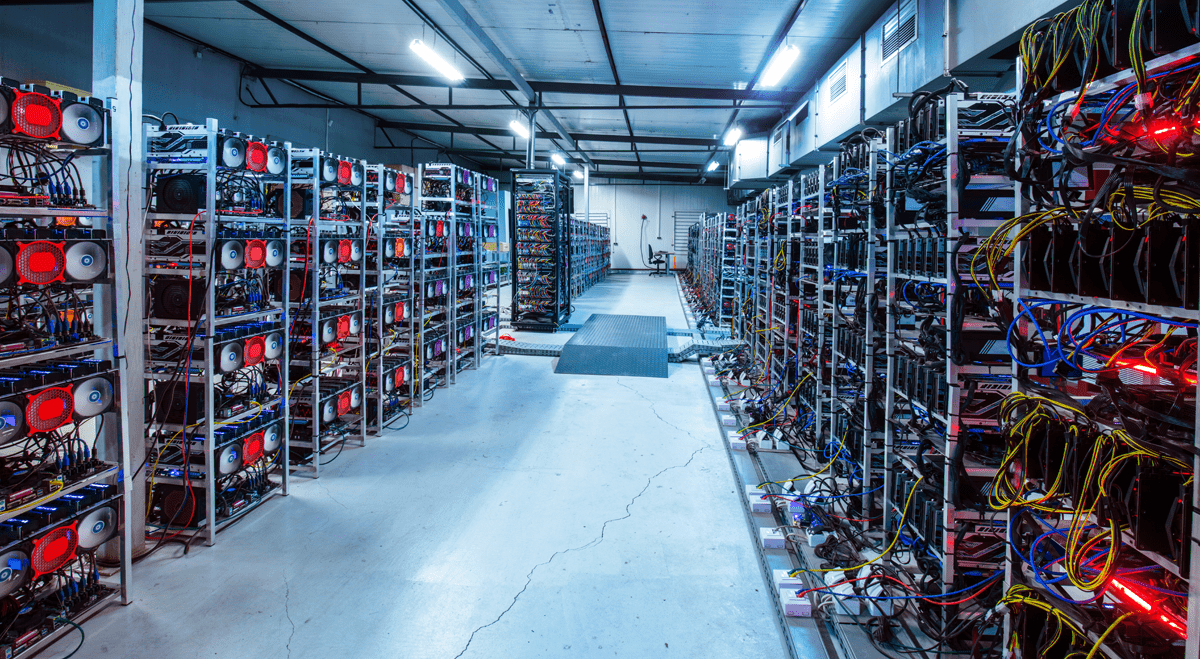
BTC Digital Ltd. (NASDAQ:BTCT) has completed construction of its 10-megawatt cryptocurrency computing infrastructure project in Georgia, with the facility expected to become ready for mining machine deployment and the start of digital asset mining operations within approximately two months.
At full deployment, the site is designed to support up to approximately 900,000 TH/s, or 900 PH/s, of theoretical computing capacity based on the company’s planned configuration of high-efficiency mining machines.
Key Investor Takeaways
- BTC Digital (NASDAQ:BTCT) has completed construction of its Georgia cryptocurrency computing facility, moving the 10MW project closer to operations.
- Deployment of high-performance mining machines and the start of digital asset mining are expected to become possible within approximately two months.
- The facility is designed for up to approximately 900,000 TH/s of theoretical computing capacity at full deployment.
- Actual computing power and machine deployment will depend on energisation, equipment efficiency, network difficulty, digital asset prices and broader market conditions.
- BTCT is positioning the Georgia project as part of a broader strategy spanning cryptocurrency mining and AI computing infrastructure.
Why BTCT Stock Is in Focus
Construction completion moves BTC Digital’s Georgia project into its pre-deployment phase, with power interconnection and other preparations now determining when mining equipment can be installed and operations can begin.
The facility has 10MW of planned power capacity. Under BTCT’s current operating assumptions, it could support approximately 900 PH/s of theoretical computing capacity if the planned high-efficiency mining machine configuration is fully deployed.
That figure should not be viewed as current operating capacity. BTC Digital said the number of machines installed, realised computing power and pace of deployment will be adjusted according to factors including energisation progress, mining machine models, energy efficiency, network difficulty, digital asset prices and market conditions.
Once deployment readiness is reached, the company intends to introduce machines progressively rather than committing to an immediate full-scale rollout.
Why This Matters for Investors
The update establishes a relatively near-term operational milestone for an infrastructure project that could expand BTCT’s self-controlled U.S. cryptocurrency mining capacity.
Construction completion also shifts the execution focus toward energisation, equipment deployment and actual mining performance. Those stages will determine whether the facility reaches the theoretical computing capacity outlined by management and how quickly it begins contributing to operations.
The Georgia project also has strategic relevance beyond cryptocurrency mining. BTC Digital is pursuing what it calls a “dual-engine” strategy combining digital asset computing with AI and high-performance computing infrastructure.
Management believes capabilities developed around power procurement, data centre construction, high-density equipment deployment and operations can be reused across both businesses. Successful execution in Georgia could therefore provide infrastructure experience that supports BTCT’s planned expansion into AI computing services.
However, the announcement does not provide expected cryptocurrency production, revenue, capital expenditure for mining machines or profitability estimates. The economic impact of the project will consequently depend on deployment levels and market conditions after operations begin.
What to Watch Next
The primary near-term catalyst is the facility reaching deployment readiness within the company’s approximately two-month timeframe.
Investors may then watch the number and type of mining machines installed, realised computing capacity and the pace at which the project moves toward its theoretical 900 PH/s maximum.
Updates on energisation and operating performance will be important for assessing the cryptocurrency mining opportunity, while further AI infrastructure projects could show whether BTCT is successfully extending its data centre capabilities into its second strategic growth area.