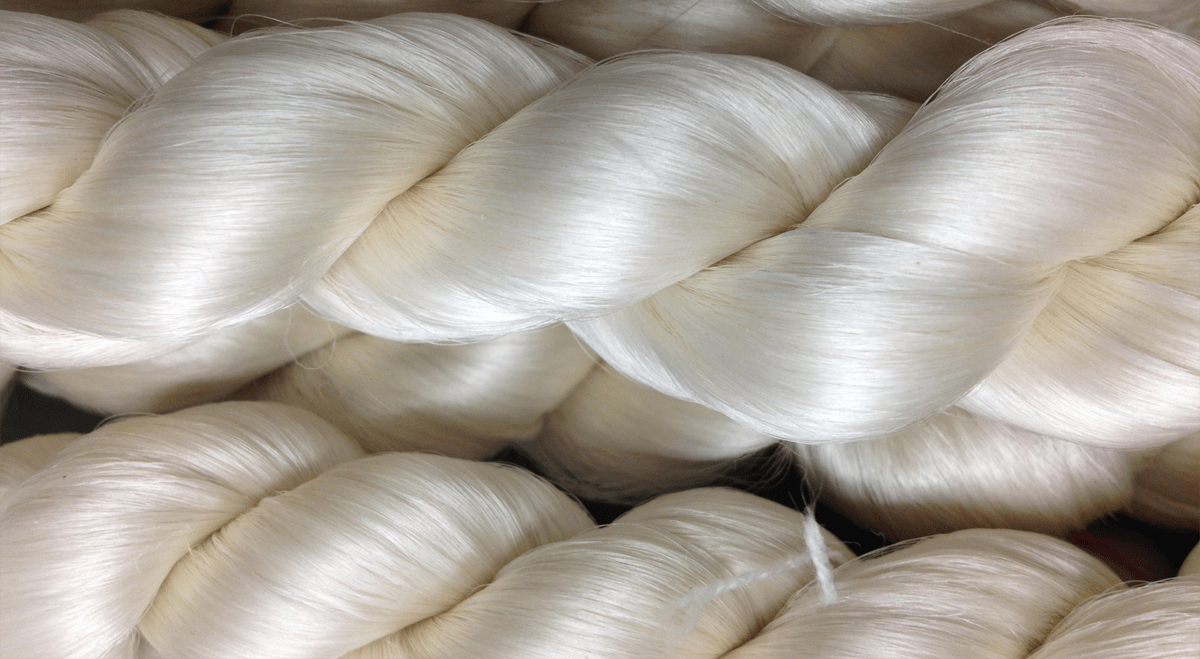
Kraig Biocraft Laboratories, Inc. (USOTC:KBLB) has increased spider silk production by more than 30% from its previous record, achieving the higher output during the rainy season despite constraints on the availability of usable mulberry feedstock.
The production record provides another operational test for Kraig Labs as it works toward commercial-scale spider silk manufacturing, while management has identified expanded mulberry capacity as the next step for increasing output.
Key Investor Takeaways
- Kraig Biocraft Laboratories (USOTC:KBLB) increased spider silk production by more than 30% compared with its previous record.
- The increase was achieved during the rainy season, when wet conditions make silkworm rearing and the handling of dry mulberry feedstock more difficult.
- Management said available mulberry leaves constrained production and believes existing rearing capacity could have supported higher output with additional feedstock.
- Kraig Labs is working to secure more land for in-house mulberry production, with additional capacity expected to come online within two to three months.
- Multiple rearing operations are now running in parallel, shifting production from separate batches toward a continuous rolling model.
Why KBLB Stock Is in Focus
The latest production cycle gives investors another indication of Kraig Labs’ progress in scaling its genetically engineered spider silk manufacturing process.
Output increased by more than 30% over the company’s previous record despite being produced during the rainy season. These conditions create a particular challenge because mulberry leaves used to feed silkworms must be harvested and provided while dry.
Kraig Labs said the availability of usable mulberry leaves became a limiting factor during the cycle. Management indicated that its rearing infrastructure had enough capacity to support a larger production increase if more feedstock had been available.
The company is now seeking additional land to expand its internally controlled mulberry supply and expects that capacity to become available within the next two to three months.
Why This Matters for Investors
For Kraig Labs, the significance of the production increase is less about a single record and more about whether its manufacturing platform can deliver consistent output under varying operating conditions.
The rainy-season performance suggests the company’s production system may be becoming more resilient. At the same time, identifying mulberry availability as a constraint highlights an operational bottleneck that will need to be addressed if KBLB is to continue increasing output.
The shift to parallel rearing operations is another important development. Rather than relying on isolated production batches, Kraig Labs says it has transitioned to continuous rolling production, potentially providing a steadier flow of spider silk.
That operating model could be important to the company’s commercial-scale ambitions. However, the announcement does not disclose total production volumes, production costs, revenue generated from the increased output or customer deliveries. Investors therefore cannot yet quantify the financial impact of the latest production record.
What to Watch Next
Expansion of Kraig Labs’ mulberry production capacity over the next two to three months is the clearest near-term operational milestone.
Investors may watch whether additional feedstock results in another increase in spider silk output, as management expects, and whether continuous production can be sustained across future cycles.
Commercial metrics will also be important. Updates covering absolute production volumes, customer shipments, sales or production economics would provide a clearer indication of how the company’s manufacturing progress is translating into commercial-scale operations.