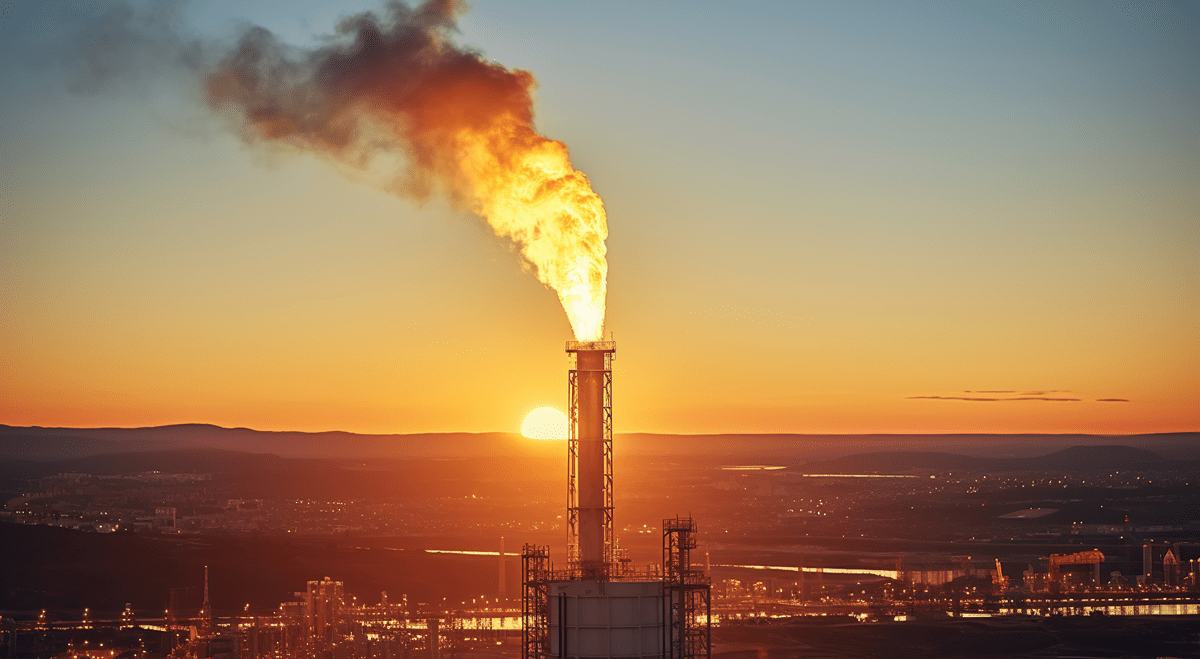
Nearly half of the world’s oil production is now sourced from countries affected by conflict in 2026, according to Reuters calculations, highlighting the scale of disruption facing global energy markets.
Six months after U.S. and Israeli attacks on Iran triggered what has developed into the largest oil supply crisis on record, there remains little indication of when the disruption could end.
The pressure extends beyond the Gulf. The Russia-Ukraine war has resulted in production and refining reductions, with nearby Kazakhstan also experiencing cuts this year.
Persistent conflict in Libya has added another source of uncertainty, while U.S. restrictions on Venezuelan oil exports at the beginning of the year have placed additional pressure on global supplies.
Conflict-affected countries account for more than 43% of oil supply
Based on 2025 production levels, countries affected by these conflicts collectively produced around 45 million barrels of oil per day, according to Reuters calculations using International Energy Agency data.
That represents more than 43% of total global oil supply, illustrating how a substantial portion of the market is currently exposed to geopolitical disruption.
The resulting supply pressures have increased global dependence on U.S. oil production, although American output has also faced occasional interruptions caused by severe weather.
Not all of the supply disruptions experienced during 2026 have occurred simultaneously, limiting the immediate impact on total global availability.
Gulf disruption remains substantial
Saudi Arabia has redirected some oil shipments towards the Red Sea, while other Gulf exporters have found ways to move supplies through the Strait of Hormuz. Analysts estimate that the current disruption to Gulf oil flows stands at approximately 5 million to 7 million barrels per day.
Risks to broader supply routes nevertheless remain elevated. Attacks in the Red Sea and near Egypt’s Suez Canal in July demonstrated the vulnerability of key shipping corridors used by the global energy industry.
The conflicts affecting the Gulf and Ukraine have also reduced worldwide refining capacity by approximately 10%.
Ukraine has targeted a significant portion of Russia’s refining infrastructure, including facilities as distant as Omsk, roughly 2,700 kilometres (1,680 miles) from Ukrainian-held territory.
Fuel shortages add pressure to global markets
Russia is dealing with domestic fuel shortages and has prohibited exports of gasoline and diesel, further restricting supplies in international fuel markets.
Higher fuel costs have become an important contributor to inflation, adding to borrowing costs and helping push U.S. government debt to a record $40 trillion.
U.S. diesel prices have climbed to record levels despite American refiners operating at peak capacity.
The International Energy Agency has responded to the broader supply shock by releasing record quantities of oil from emergency reserves.
Those releases are now largely complete, while global inventories continue to decline, leaving energy markets exposed to further disruptions across several major producing regions.