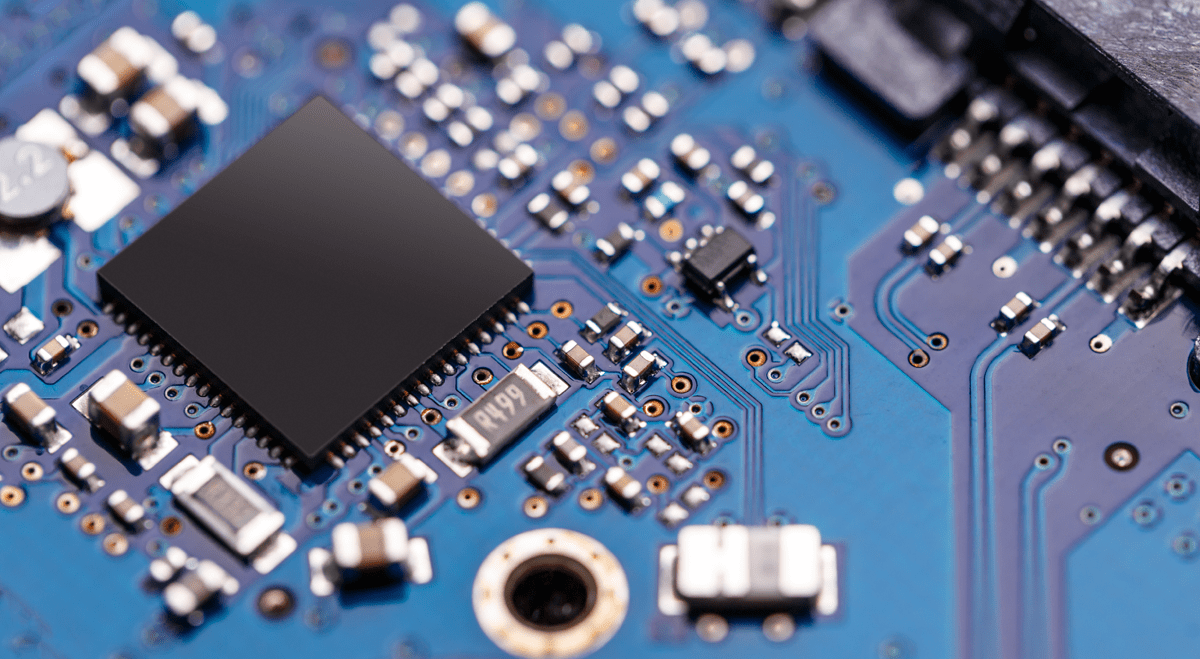
Alibaba Group (NYSE:BABA) unveiled a new artificial intelligence processor on Tuesday, describing it as China’s most powerful AI chip, while outlining plans to expand its data centre capacity to more than 20 gigawatts by 2032.
Chief Executive Eddie Wu introduced the Zhenwu V900 accelerator at Alibaba’s annual Apsara Conference in Hangzhou, highlighting the company’s investment in AI infrastructure and advanced computing.
Alibaba’s Hong Kong-listed shares closed 2% higher on Tuesday, while its US-listed stock gained more than 3% in premarket trading.
Zhenwu V900 Offers Three Times the Performance of Its Predecessor
Alibaba said the Zhenwu V900 delivers three times the performance of the previous-generation Zhenwu M890 processor.
During his keynote address, Wu stated:
“The Zhenwu V900 is the most powerful AI chip in China today, delivering three times the performance of its predecessor, the Zhenwu M890.”
The performance claim was made by Alibaba and was not independently verified in the supplied report.
According to Wu, the new accelerator can be deployed in clusters containing up to 500,000 units to train advanced AI models.
The processor will play a central role in Alibaba’s plans to expand its data centre capacity to more than 20 gigawatts by 2032.
Alibaba Targets Larger AI Models and Computing Infrastructure
Wu also outlined Alibaba’s ambition to train an AI model containing up to 10 trillion parameters.
He said the company’s Qwen development team was exploring recursive self-improvement, an approach involving AI systems contributing to improvements in their own capabilities.
Alibaba has invested tens of billions of dollars in developing its Qwen models and building the computing infrastructure needed to support them.
The company has also committed substantial resources to developing proprietary AI processors as China seeks to increase domestic semiconductor production and reduce reliance on foreign technology.
Wu described AI-driven customer demand as “exceptionally robust”, adding that it was contributing to Alibaba Cloud’s revenue growth.
Citi Sees Potential for $160 Billion in Cloud Revenue by FY2033
Citi analysts said Alibaba’s proposed infrastructure expansion could support significantly higher cloud revenue over the coming years.
In a research note, they stated:
“Our preliminary view is that Alibaba CEO Mr. Wu’s message of 20GW AI infra by 2032 or our view of FY2033 could translate to $160bn external cloud revs by FY2033, which could imply incremental $60bn from our current estimate of $100bn in FY2031.”
The analysts added:
“This also suggests revenues CAGR of ~40% from FY2026 to FY2033, implying fast growth momentum is sustained.”
Citi’s projections imply that external cloud revenue could reach $160 billion in FY2033, compared with its existing estimate of $100 billion for FY2031.
These figures represent the bank’s estimates rather than formal revenue guidance from Alibaba.
Capital Spending Remains a Key Consideration
Alibaba has not revised its capital expenditure guidance of RMB 380 billion.
However, Citi said Wu’s earlier comments during the company’s earnings call suggested that investment in AI infrastructure could remain elevated over the coming years.
The analysts also expect Alibaba to support part of its planned computing capacity through partnerships with other industry participants, potentially involving operating expenses rather than direct capital investment.
Alibaba’s spending on AI has already affected profitability. The company reported a 75% decline in net profit in its recent quarterly results, with margin compression linked to its investment programme.
Nevertheless, revenue from AI cloud and computing services increased sharply during the June quarter, reflecting the growing contribution of these businesses to Alibaba’s operations.