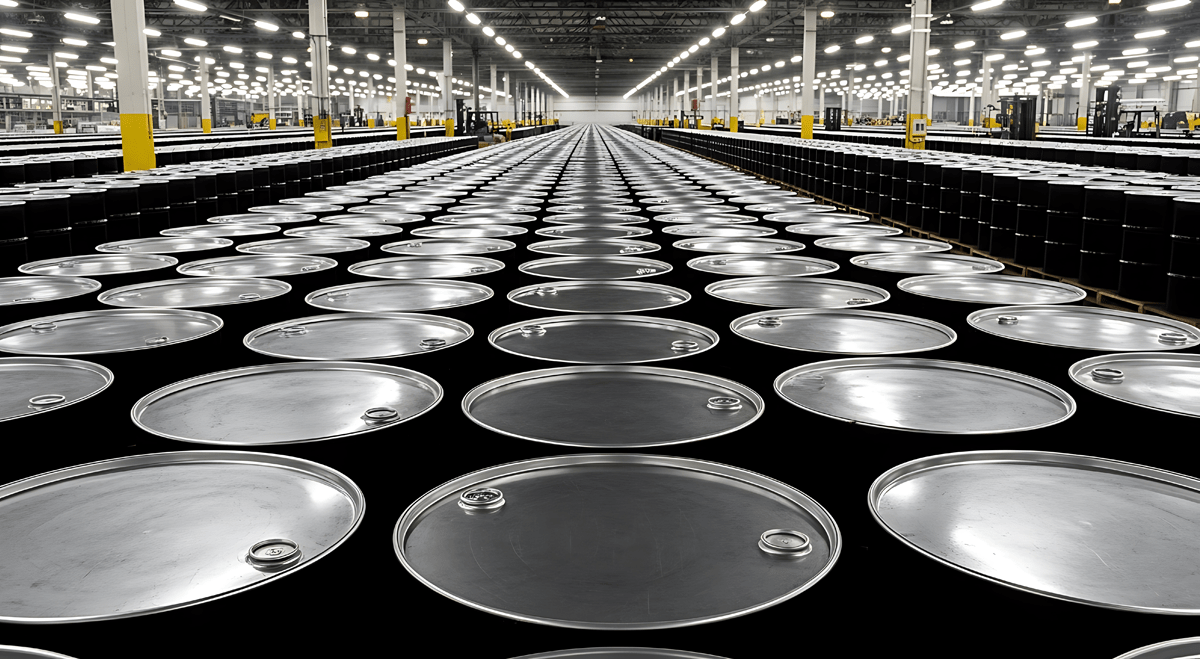
Saudi Aramco Chief Executive Amin Nasser said global oil inventories have fallen to “scarily thin” levels and that market pressures are likely to persist until the Strait of Hormuz fully reopens.
Speaking at the Energy Intelligence Forum in London, Nasser said supply constraints were affecting both crude oil and refined products, with fuel prices recording larger increases.
He said planned releases of up to 100 million barrels of emergency crude oil and diesel reserves by major economies could provide temporary relief but would not resolve the underlying imbalance between supply and demand.
According to Nasser, oil-consuming countries could require as long as two years to rebuild their inventories even after the Strait of Hormuz fully reopens.
Gulf Producers Increase Oil Exports
Gulf producers have increased production and exports, with Saudi Arabia, the United Arab Emirates and Kuwait using their own tankers to transport crude through the Strait of Hormuz.
Crude flows have recovered to levels close to those recorded before the war. However, Brent crude has remained around $100 a barrel over the past month as markets continue to assess potential supply disruptions through the Persian Gulf and Red Sea.
Aramco has increased crude shipments from its Ras Tanura export terminal and restored flows through its East-West pipeline to approximately 80% of capacity. The pipeline had been temporarily shut following an attack last month.
The increased pipeline availability has allowed Aramco to transport additional crude through the Red Sea.
Nasser said the company maintained supplies during the conflict by drawing on international storage and repairing damaged infrastructure.
Aramco is also seeking additional export routes and overseas storage capacity as it looks to reduce its dependence on individual supply routes.