Kraig Biocraft Laboratories has applied to expand its production subsidiary’s investment licence after reporting record spider silk output, as the company works to convert manufacturing progress into sustained commercial supply.
Key Investor Takeaways
- Kraig Biocraft Laboratories (USOTC:KBLB) has filed for an expanded investment licence for Prodigy Silk to support increased spider silk production capacity.
- The company produced nearly 2.5 metric tons of spider silk cocoons in June 2026, with August output exceeding that level by more than 30%.
- Three operational rearing centres and expanded mulberry cultivation support Kraig’s vertically integrated manufacturing strategy.
- The first shipment of custom spider silk yarn for performance sportswear marks progress toward commercial applications.
- Investment approvals, funding requirements and the conversion of early customer interest into recurring orders remain key uncertainties.
Why KBLB Stock Is in Focus
Kraig Biocraft Laboratories (USOTC:KBLB) is advancing its spider silk production expansion through an application for an enlarged investment licence at its Prodigy Silk subsidiary.
The filing is intended to support additional capital investment, manufacturing infrastructure and production capacity as the company seeks to increase output of its genetically engineered spider silk.
Kraig reported a series of production milestones during 2026, including nearly 2.5 metric tons of spider silk cocoons produced in June.
August production subsequently exceeded that figure by more than 30%, indicating continued growth in manufacturing output.
The company’s production network now includes three operating rearing centres, supported by expanded mulberry cultivation and an integrated production system.
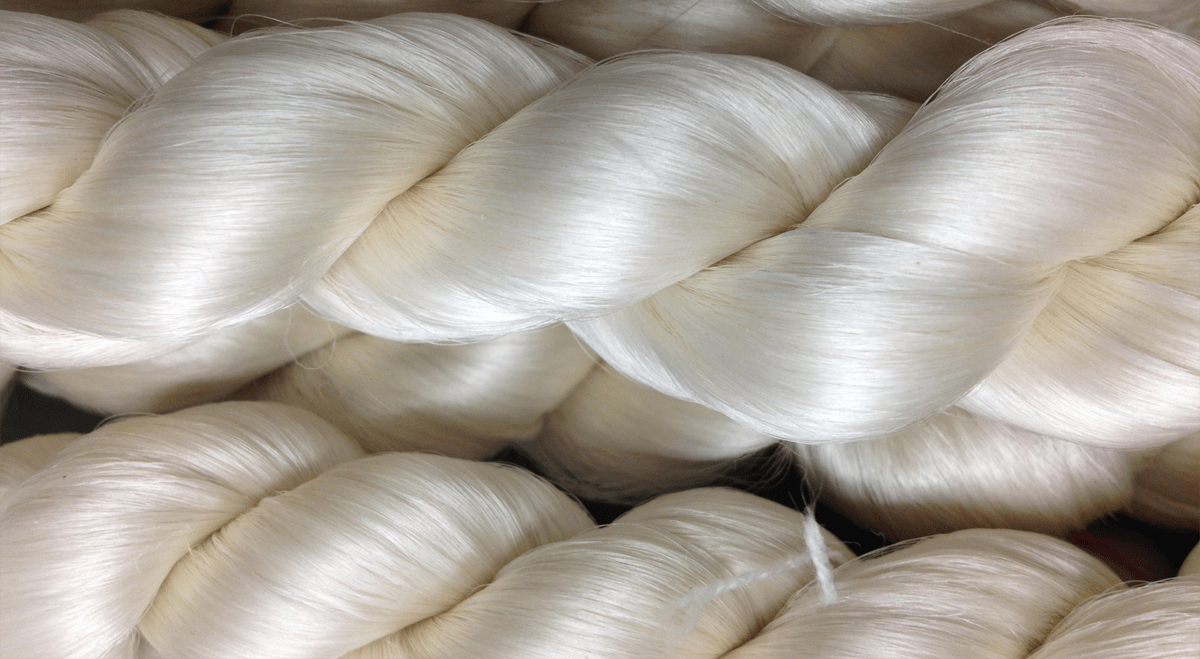
Kraig has also shipped its first custom spider silk yarn intended for a performance sportswear application.
The shipment represents an initial commercial supply-chain milestone, although the company has not disclosed its value, associated customer commitments or expected recurring revenue.
The expanded investment licence remains an important step in Kraig’s efforts to develop the infrastructure needed for higher-volume manufacturing.
Why This Matters for Investors
The central investment consideration is whether Kraig can translate rising spider silk production into a commercially sustainable materials business.
Engineered spider silk has potential applications across performance textiles, protective equipment, medical materials and other specialised industries because of its combination of strength, flexibility, toughness and low weight.
However, producing sufficient quantities at consistent quality remains a significant commercial challenge for the material.
Kraig’s reported production increases suggest progress toward addressing that constraint, particularly as the company develops multiple rearing facilities and supporting agricultural infrastructure.
For investors, the distinction between cocoon production and finished commercial material remains important.
Higher cocoon output demonstrates increased upstream production activity but does not independently establish equivalent volumes of processed yarn, consistent manufacturing yields or profitable sales.
The company’s initial sportswear yarn shipment provides evidence that its material has entered an industrial supply chain, although sustained demand has yet to be demonstrated through disclosed recurring orders.
The broader advanced-materials and biomaterials markets have been associated with multibillion-dollar opportunities, but Kraig has not established the specific addressable market for its spider silk products.
Consequently, the company’s commercial prospects will depend on more than overall industry growth.
Manufacturing costs, product consistency, customer qualification and dependable delivery volumes could determine whether its production technology becomes commercially competitive.
The investment licence application also introduces an important financing consideration.
Expanding capacity may create opportunities for increased sales, but additional investment will be required to support infrastructure and production growth.
Without disclosed funding commitments, capital requirements or profitability targets, the financial implications of the expansion remain uncertain.
What to Watch Next
The immediate milestone is progress toward approval of Prodigy Silk’s expanded investment licence and clarification of the capital required to implement the next production phase.
Investors may also monitor whether Kraig continues increasing cocoon output beyond its August record while maintaining manufacturing consistency.
Additional shipments of processed spider silk yarn, particularly those accompanied by disclosed customer orders or commercial agreements, could provide stronger evidence of market adoption.
Production efficiency, processing yields and manufacturing costs will become increasingly relevant as the company seeks to scale its operations.
Further expansion of its rearing centres and mulberry cultivation infrastructure may also indicate how quickly Kraig can increase manufacturing capacity.
For Kraig Biocraft Laboratories, the key question is whether its production milestones can translate into repeatable industrial deliveries and sustainable commercial revenue.