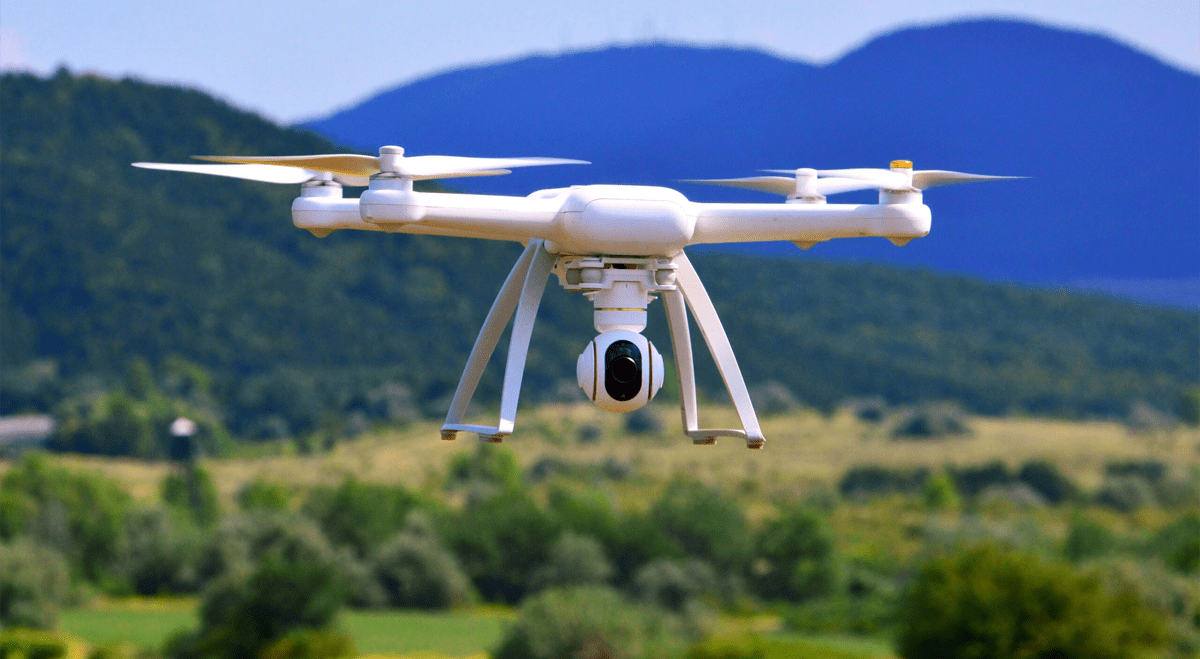
The proposed manufacturing site would support a new U.S. drone-frame production platform, although property negotiations, equipment installation and commercial partnerships remain outstanding.
Key Investor Takeaways
- J-Star Holding (NASDAQ:YMAT) is negotiating the acquisition of a manufacturing facility in Greater Houston to support U.S. drone-frame production.
- The proposed facility would serve as the operating base for YMA (TX) INC., a U.S. entity being organized for potential manufacturing joint ventures.
- J-Star intends to contribute proprietary carbon fiber technologies, engineering expertise and production-line development support.
- The initiative targets potential partnerships with North American drone developers, aerospace manufacturers and industrial companies.
- No completed property acquisition, manufacturing contracts or production commencement date has been announced.
Why YMAT Stock Is in Focus
J-Star Holding (NASDAQ:YMAT) has reported progress on its planned U.S. drone manufacturing initiative, confirming that negotiations are underway to acquire a commercial production facility in the Greater Houston area.
The proposed acquisition forms part of the company’s strategy to extend its advanced composite manufacturing capabilities into the North American unmanned aerial vehicle market.
J-Star is organizing YMA (TX) INC. as an independent U.S. legal entity intended to support potential joint ventures with commercial drone developers, aerospace original equipment manufacturers and industrial partners.
The Houston-area facility would provide a manufacturing base for producing drone frames using J-Star’s carbon fiber composite technologies.
The company’s planned contribution includes proprietary resin formulations, composite-to-metal structural designs and automated carbon fiber manufacturing methods.
Engineering and materials research would be supported by J-Star’s YMA Corporation laboratory in Taichung, Taiwan.
J-Star also expects to provide technical assistance with facility preparation, cleanroom configuration, production equipment installation and early-stage operational development.
The proposed U.S. entity is intended to establish procedures addressing applicable export control requirements and restricting access to controlled technical information to authorized U.S. persons.
However, the property transaction remains subject to final negotiations, due diligence and customary closing conditions.
The company has not disclosed the proposed acquisition price, facility capacity, expected capital expenditure or a timetable for beginning commercial production.
Why This Matters for Investors
The proposed Houston manufacturing operation represents a potential expansion of J-Star’s business beyond its established composite materials applications into U.S.-based drone component production.
For investors, the strategic significance lies in the company’s intention to apply existing engineering capabilities to a new manufacturing market rather than develop an entirely unrelated technology platform.
J-Star has a manufacturing history dating to 1970, with experience producing carbon fiber components for sporting goods, healthcare equipment, automotive structures and industrial applications.
The proposed drone initiative would extend those capabilities into lightweight structural components used in unmanned aircraft.
Establishing a U.S. production base could also position J-Star to pursue commercial relationships with North American aerospace and drone manufacturers seeking domestically manufactured components.
However, the announcement does not identify confirmed joint-venture partners, customer orders or revenue commitments associated with the proposed operation.
The structure of YMA (TX) INC. is another consideration.
J-Star intends to act as an organizer, technology provider and early-stage facility development partner, while potential joint ventures would form the basis for future manufacturing activities.
This approach may allow the company to participate in drone production through technology licensing and engineering contributions, although the financial arrangements and ownership structures of any future partnerships have not been disclosed.
The proposed facility also introduces execution and funding considerations.
Property acquisition, site preparation, specialized equipment installation and production qualification may require additional investment before commercial manufacturing can begin.
Without disclosed capital requirements or confirmed financing arrangements, investors cannot yet determine the financial impact of the expansion.
The company’s planned export-control and data-protection procedures are relevant to its intended U.S. operations, particularly where aerospace technology and controlled technical information may be involved.
Nevertheless, the effectiveness of those arrangements will depend on their implementation and compliance with applicable requirements.
What to Watch Next
The immediate development to monitor is whether J-Star completes negotiations and finalizes the proposed Greater Houston manufacturing facility acquisition.
A completed transaction would allow the company to advance site preparation, equipment installation and the establishment of production infrastructure.
Investors will also be watching for the formal development of YMA (TX) INC., including details of its ownership, operational structure and any joint-venture agreements.
Announcements concerning manufacturing capacity, capital investment, customer commitments and production schedules would provide more measurable evidence of commercial progress.
For J-Star Holding (NASDAQ:YMAT), the central question is whether its proposed U.S. manufacturing expansion can progress from property negotiations and technical planning into an operational drone-frame production business.