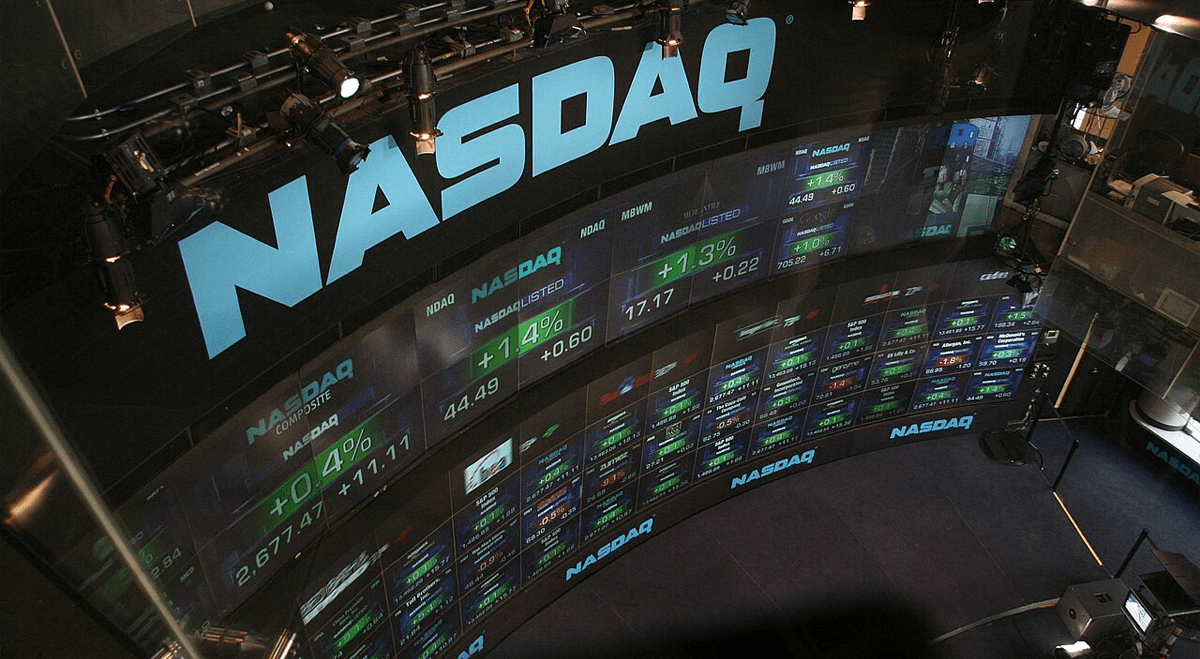
US stock futures pointed to a mixed opening on Friday following a sharp decline on Wall Street in the previous session, as investors weighed stronger-than-expected employment figures against concerns over artificial intelligence valuations and potential regulatory changes following the midterm elections.
Nasdaq 100 futures advanced 1.3%, suggesting a potential recovery in technology shares, while Dow Jones futures fell 1%, indicating continued pressure on traditional blue-chip stocks.
The contrasting movements followed Thursday’s broad market sell-off, which pushed the Nasdaq to its lowest closing level in more than six months.
US Employment Growth Exceeds Expectations
The latest Labor Department employment report showed that the US economy added 165,000 non-farm payroll jobs in October, substantially exceeding economists’ expectations of 62,000.
September’s employment increase was revised upward to 60,000 jobs from the previously reported 29,000.
The unemployment rate also improved, declining to 4.1% from 4.2% in September, compared with forecasts for an unchanged reading.
Despite the stronger labour market figures, stock futures remained mixed as investors continued assessing the implications for monetary policy and equity valuations.
Wall Street Suffers Sharpest Losses in Technology Stocks
US equities fell sharply on Thursday, reversing the previous session’s recovery as renewed selling pressure affected technology and other major sectors.
The Nasdaq Composite plunged 1,421.52 points, or 5.5%, to close at 24,315.00, its lowest closing level in more than six months.
The S&P 500 declined 334.89 points, or 4.4%, to 7,353.73, while the Dow Jones Industrial Average dropped 1,833.06 points, or 3.4%, to 51,523.06.
All three major indices finished near their session lows, reflecting widespread investor caution.
AI Valuations and Political Uncertainty Pressure Markets
Technology stocks remained under pressure amid doubts about whether substantial investment in artificial intelligence infrastructure will generate sufficient financial returns.
The Democratic Party’s takeover of both chambers of Congress in Tuesday’s US midterm elections also raised concerns about the possibility of stricter regulation affecting AI companies.
Daniela Hathorn, Senior Market Analyst at Capital.com, highlighted the uncertainty surrounding technology valuations.
“Despite yesterday’s relief rally on Wall Street, investors remain cautious about elevated technology valuations and whether substantial AI spending can generate sufficient returns,” Hathorn said.
The concerns contributed to significant selling across semiconductor and computer hardware stocks.
Semiconductor and Financial Stocks Lead Declines
The Philadelphia Semiconductor Index plunged 12.3%, reaching its lowest closing level in nearly seven months.
Computer hardware stocks also experienced substantial losses, with the NYSE Arca Computer Hardware Index falling 10%.
Weakness extended beyond technology, as the NYSE Arca Broker/Dealer Index declined 4.3% and the KBW Bank Index dropped 3.6%.
Transportation, energy and healthcare shares also retreated, while gold-related stocks were among the few sectors to record gains.
Weekly Jobless Claims Fall to Multi-Decade Low
Separate Labor Department figures released Thursday showed an unexpected decline in initial unemployment claims.
Applications for unemployment benefits fell by 6,000 to 189,000 in the week ended October 31, compared with the previous week’s revised figure of 195,000.
Economists had expected claims to rise to 196,000.
The latest reading matched the multi-decade low previously recorded during the week ended July 18, providing further evidence of resilience in the US labour market.
Investors Assess Prospects for Market Recovery
Friday’s mixed futures performance suggested that investors remained divided following Thursday’s substantial losses.
While the Nasdaq 100’s advance indicated renewed interest in technology stocks after the sell-off, weakness in Dow futures pointed to continued uncertainty across the broader market.
Stronger employment data offered evidence of economic resilience, but concerns surrounding AI spending, technology valuations and potential regulatory changes continued to influence sentiment.
Investors will monitor whether bargain hunting can support a sustained recovery or whether selling pressure extends into another trading session.