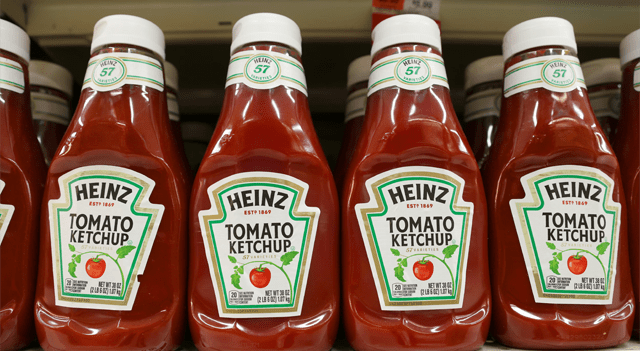
Kraft Heinz Co. (NASDAQ: KHC) has hit a 52-week low, with its stock price falling to $27.13 amid ongoing market pressures. Some analysts believe the shares are undervalued at this level, pointing to a price-to-earnings ratio of 12.4 and a dividend yield of 5.73% as attractive metrics. Despite the company’s strong brand portfolio, its stock has seen a steep 25.3% decline over the past year.
The food giant faces a challenging environment shaped by supply chain disruptions, shifting consumer tastes, and intensified competition. Nevertheless, Kraft Heinz’s financial footing remains stable, with a current ratio of 1.31 and annual revenues totaling $25.43 billion. Investors remain cautious as the company seeks to navigate these obstacles and execute strategic initiatives aimed at restoring growth.
In recent developments, Kraft Heinz announced a $3 billion investment plan focused on modernizing its U.S. manufacturing facilities—its largest plant investment in ten years. This initiative is designed to boost operational efficiency and reduce costs amid economic uncertainties, including tariff pressures and softer consumer spending. CEO Carlos Abrams-Rivera emphasized the company’s commitment to strengthening profitability through ongoing strategic evaluations.
The company’s board has undergone changes as well, with directors Timothy Kenesey and Alicia Knapp stepping down, reducing the board to ten members. Additionally, Berkshire Hathaway (NYSE:BRK.A), which holds about 27% of Kraft Heinz shares, has ended its board representation to align with its non-controlling investment approach.
Analysts at Stifel have maintained a Hold rating on KHC, adjusting their price target to $30 following the company’s first-quarter earnings report. While Kraft Heinz exceeded profit expectations, it reported a decline in organic sales and revised its full-year 2025 outlook due to rising commodity costs and tariff impacts.
Market watchers are closely monitoring how these recent moves and investments will affect Kraft Heinz’s future performance and strategic path forward.