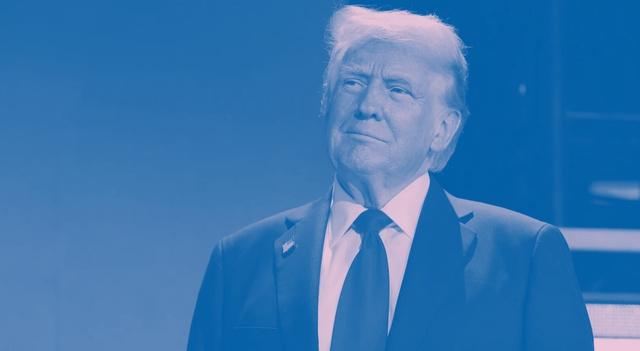
On Thursday morning, the U.S. House of Representatives passed President Donald Trump’s sweeping tax and spending legislation by the razor-thin margin of 215 to 214, following intense debate among Republican lawmakers who control the chamber. One representative abstained by voting “present,” and all Democrats opposed the measure.
The bill now heads to the Senate, where discussions about potential amendments are underway, with a final vote anticipated by August.
After nearly 22 hours of deliberations, the House Rules Committee gave the green light to Trump’s extensive fiscal package late Wednesday, according to news reports.
The legislation not only extends the tax cuts enacted in 2017 but also lowers taxes on tips and auto loans. Additionally, it increases funding for defense and border security initiatives. However, the bill also proposes cuts to critical food assistance and healthcare programs that support low-income Americans.
Leading up to the vote, there was uncertainty whether House Speaker Mike Johnson could rally enough Republican votes, as some GOP members pushed for deeper spending reductions to balance the proposed tax breaks. Johnson expressed confidence that he would secure sufficient Republican support to pass the bill despite unified Democratic opposition.
Analysts at Wolfe Research noted in a client memo that dissenting Republicans have been granted “most” of their requested changes, including “very aggressive” cuts to federal tax credits that promote renewable energy investments.
Concerns remain over the bill’s impact on social safety nets and the national debt, with independent analysts projecting that it could increase federal debt by $3 trillion to $5 trillion over the next decade, adding to the current $36.2 trillion total.
In related commentary, the Financial Times reported that the International Monetary Fund has urged the United States to address its growing fiscal deficits and ballooning debt burden.
Meanwhile, Moody’s recently downgraded the U.S. sovereign credit rating, pointing to repeated failures by the government and Congress to take adequate steps to curb deficits and control interest expenses.