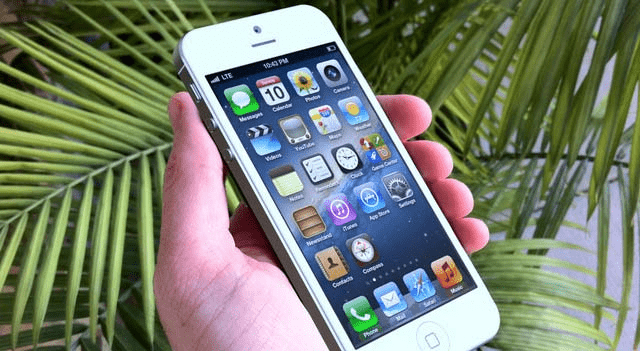
Apple (NASDAQ:AAPL) reported a clear beat on both earnings and revenue for its fiscal first quarter of 2026 on Thursday, underpinned by its fastest quarterly iPhone sales growth in over four years. iPhone revenue surged 23.3% year on year to $85.27 billion, marking the strongest increase since the December quarter of 2021 and reaffirming the iPhone’s central role in the group’s performance.
Despite the upbeat results, shares in the world’s third-largest listed company were broadly unchanged in premarket trading on Friday. Demand for the latest iPhone 17 range, particularly the higher-end Pro models, has been a key driver, helping Apple lift its global smartphone market share to about 20% in 2025, up from 18% the previous year.
The strength in iPhone sales comes even as Apple, like other handset makers, continues to navigate tight conditions in the memory chip market. Earlier on Thursday, rival Samsung Electronics (KS:005930) warned that chip supply constraints are likely to persist. Against this backdrop, the robust iPhone performance has offered reassurance to investors who have been concerned about limited near-term visibility on how Apple’s artificial intelligence ambitions will translate into revenue.
“We believe Apple’s growth strategy in the next few years could continue to be new form factors and new products, as AI’s commercialization and monetization remains challenging. Not only is the AI use case not clear for consumers, rapidly rising memory prices would likely make any edge AI applications harder to financially justify in the next two years,” Jefferies analysts led by Edison Lee said earlier this week in a preview note.
For the quarter ended December 27, 2025, Apple reported earnings of $2.84 per share on revenue of $143.76 billion, comfortably ahead of consensus forecasts of $2.68 per share on $138.40 billion of revenue. Performance across hardware categories was mixed: Mac sales declined 6.7% year on year to $8.39 billion, while iPad revenue rose 6.3% to $8.60 billion. Revenue from wearables, home and accessories slipped 2.2% to $11.49 billion.
The Services division continued to stand out, with sales climbing 13.9% year on year to $30.01 billion, supported by growth across subscriptions such as iCloud and Apple Music, as well as App Store fees.
“Apple delivered a record-breaking quarter driven by unprecedented iPhone demand and another all-time high for Services revenue, validating its strategy amid an industry in constant flux and reinforcing its position atop the global smartphone market,” said Jacob Bourne, analyst at Emarketer.
“Yet maintaining that dominance is perhaps more uncertain than ever, hinging on the right calls around pricing and developing the next generation of devices, particularly wearables and the anticipated foldable iPhone,” he added.
The results come just over two weeks after Apple signed an agreement with Alphabet’s Google to integrate the Gemini artificial intelligence model into Siri and other Apple Intelligence features, a move widely viewed as one of the most significant shifts so far in Apple’s AI approach and an effort to strengthen its position in the intensifying AI race among the so-called Magnificent Seven.
“(Apple) also has to make the most of its Google Gemini partnership to deliver Siri upgrades that make consumer voice AI relevant, seamless, and monetizable. The backdrop of inflation-fatigued consumers and an ongoing memory chip shortage will pressure hardware margins in coming quarters, making that high-margin Services momentum even more vital,” Bourne said.
Analysts at Bank of America, led by Wamsi Mohan, said they “remain bullish on shares of Apple heading into 2026,” citing improving iPhone upgrade cycles, margin expansion, new AI features expected next year and a growing installed base that continues to support Services growth. Evercore ISI analyst Amit Daryanani also pointed to an “outsized beat on strong iPhone refresh,” adding that investor attention will now turn to guidance for the March quarter amid concerns over rising memory costs and how Apple plans to offset them.
Separately, Apple also announced earlier on Thursday that it has acquired Israeli startup Q.ai, marking its first sizeable acquisition in several years and adding another strand to its broader push in artificial intelligence.