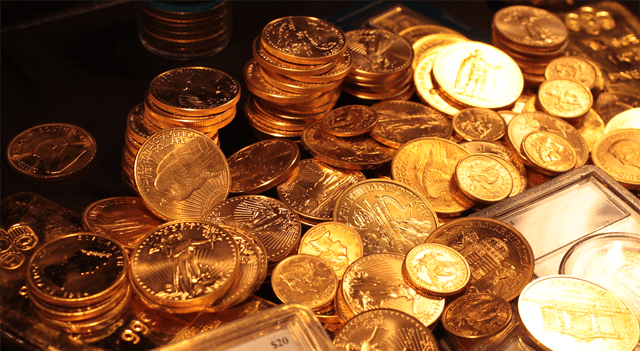
Gold prices showed little movement during European trading on Thursday, following modest gains in the previous session, as investors monitored renewed tensions in the Middle East that could threaten the fragile ceasefire between the United States and Iran.
By 05:30 ET (09:30 GMT), spot gold was up 0.2% at $4,730.24 per ounce, while U.S. gold futures for June delivery slipped 0.4% to $4,756.09 per ounce.
Bullion ended Wednesday’s session 0.3% higher after earlier climbing as much as 3%. The rally came as news of a temporary U.S.-Iran ceasefire helped ease fears of an immediate supply shock but did not fully reassure markets.
Middle East tensions persist despite Trump’s two-week ceasefire
The truce, reportedly brokered by Pakistan, is intended as a two-week pause in hostilities aimed at reopening the strategically important Strait of Hormuz.
However, investor sentiment remained cautious as Israeli strikes in Lebanon continued, raising questions about whether the ceasefire can hold. Iran also signaled that negotiations with Washington would be “unreasonable” under the current circumstances.
Tehran halted oil tanker traffic through the Strait of Hormuz, while U.S. President Donald Trump said American military forces would stay positioned around Iran until a “real agreement” is achieved.
Oil prices recovered slightly on Thursday after falling sharply in the previous session when the ceasefire announcement was first made.
“Conflicting geopolitical signals are driving choppy price action in gold, with safe haven demand offset by shifts in risk sentiment and dollar moves,” ING analysts said in a note.
“Looking ahead, gold is likely to remain headline driven in the near term, with further clarity on the durability and scope of the ceasefire key for determining whether prices can regain upside momentum,” they added.
Markets await U.S. CPI for clues on Fed policy
Gold, often viewed as a safe-haven asset, has faced pressure from the recent rebound in oil prices, which has heightened concerns about global inflation.
Investors are now focusing on U.S. consumer price index (CPI) data for March, scheduled for release on Friday, which may offer further insight into inflation trends and the Federal Reserve’s future policy direction.
Markets are anticipating a noticeable increase, as the recent surge in energy costs linked to the oil shock continues to feed through the broader economy.
Meanwhile, the U.S. dollar stabilized after falling 0.7% in the previous session, limiting additional gains for gold.
Among other precious metals, spot silver was unchanged at $74.10 per ounce, while platinum declined 0.5% to $2,021.59 per ounce.
In base metals trading, benchmark copper futures on the London Metal Exchange slipped 0.6% to $12,625.33 per ton, while U.S. copper futures dropped 1.3% to $5.70 per pound.