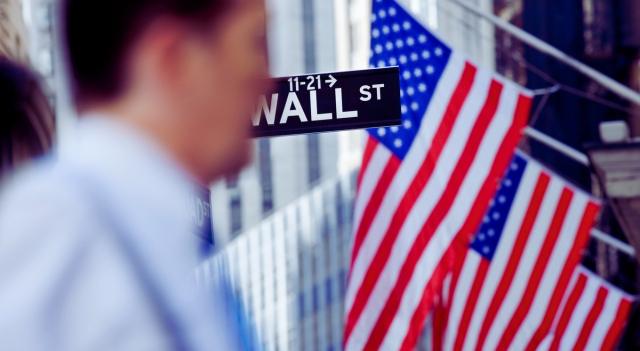
Wall Street closed sharply higher Thursday as investors shrugged off the prior session’s Federal Reserve-driven selloff, pivoting instead to two big pieces of geopolitical and corporate news: the signing of a U.S.-Iran agreement to reopen the Strait of Hormuz and a surprise announcement that Intel and Apple plan to build chips together on American soil. The combination of easing energy supply fears, a tech industry shot in the arm, and the mechanical boost from triple witching — the quarterly expiration of stock options, stock-index futures, and stock-index options — gave bulls plenty of reasons to buy the dip.
What Moved Markets
The Nasdaq Composite led the charge, surging 496.28 points, or 1.91%, to close at 26,517.93. The S&P 500 added 80.48 points, or 1.08%, to finish at 7,500.58 — a milestone close above the 7,500 level. The Dow Jones Industrial Average gained a more modest 72.15 points, or 0.14%, ending at 51,564.70, weighed down by its lighter exposure to the semiconductor rally that powered the other indexes.
The backdrop was a busy one. Wednesday’s Federal Reserve meeting — the first chaired by Kevin Warsh — rattled markets after nine of the 18 participating policymakers signaled the possibility of at least one rate hike before year-end, a more hawkish posture than investors had expected. Thursday’s rebound suggests traders decided the broader macro picture, particularly falling oil prices tied to the Iran agreement, offset near-term rate concerns. President Trump signed the U.S.-Iran memorandum of understanding at the Palace of Versailles in France, a deal that is expected to reopen the Strait of Hormuz and ease pressure on global crude supplies. Oil prices declined on the news, which acted as an informal relief valve for inflation expectations. Today also marked the final session of a holiday-shortened week, with U.S. markets closed Friday in observance of Juneteenth.
Notable Movers
Intel (INTC) was the story of the day, surging approximately 10% after President Trump announced via social media that Apple had agreed to design and manufacture chips with Intel in the United States. The news sent the Philadelphia Semiconductor Index up more than 6% to a record high, lifting the entire chip sector. Fellow semiconductor names Broadcom (AVGO) and Micron Technology (MU) were among the top S&P 500 gainers on the session, while Advanced Micro Devices (AMD) climbed after an analyst raised its price target.
Butterfly Network (BFLY) jumped more than 40% after AI image-generation company Midjourney unveiled a new medical imaging platform built on Butterfly’s Ultrasound-on-Chip technology. Butterfly confirmed a co-development agreement carrying up to $74 million in expected payments, giving the small-cap medical device maker an unexpected spotlight moment.
Penguin Solutions (PENG) gained roughly 14% as the AI infrastructure provider benefited from the broader enthusiasm around domestic chip manufacturing and AI hardware spending that swept the sector on the back of the Intel-Apple announcement.
SpaceX (SPCX) was a notable decliner, falling more than 6% as the post-IPO honeymoon continued to cool. SpaceX debuted on the Nasdaq on June 12 at $161 per share after pricing at $135, but the stock has since pulled back as early buyers take profits. The company’s bankers are separately preparing a bond offering of at least $20 billion, adding supply-side pressure to the mix.
Looking Ahead
With markets closed Friday for Juneteenth, investors will have a long weekend to digest a packed week — the Fed’s hawkish pivot, the Iran deal, and the Intel-Apple bombshell. When trading resumes Monday, attention is likely to shift toward inflation data, with the next major readings on Personal Consumption Expenditures (PCE) prices and a first-quarter GDP revision due later in the month. Earnings from Micron and FedEx are on deck for next week and could offer further clues about consumer demand and the health of the supply chain. The semiconductor sector, fresh off a record-setting day, will also be watched closely for any follow-through buying or signs that Thursday’s rally was driven more by options expiration mechanics than genuine conviction.