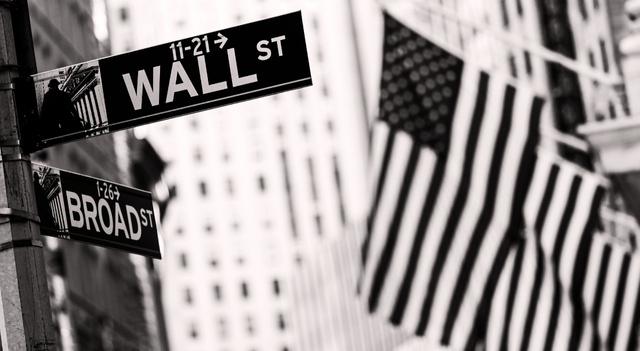
Wall Street closed mixed but broadly lower on Wednesday after President Trump said the fragile ceasefire between the United States and Iran was effectively finished, sending oil prices sharply higher and rattling stocks tied to the broader economy. The Dow Jones Industrial Average and S&P 500 both fell, while the tech-heavy Nasdaq Composite managed to claw back early losses and finish narrowly higher, as strength in select technology names offset the risk-off mood elsewhere in the market.
What Moved Markets
The Dow Jones Industrial Average closed at 52,348.39, down 576.76 points, or 1.09%. The S&P 500 fell 21.14 points, or 0.28%, to end at 7,482.71. The Nasdaq Composite bucked the trend, adding 51.96 points, or 0.20%, to close at 25,870.65.
The selling pressure traced back to overnight developments in the Middle East. American forces carried out a fresh round of strikes against Iran late Tuesday in response to attacks on commercial vessels transiting the Strait of Hormuz. Speaking in Ankara ahead of a NATO summit, Trump said the memorandum of understanding with Iran was “over,” though he added that negotiators could “keep talking if they want.” He also suggested the U.S. could strike Iran again that night. The Treasury separately revoked a waiver that had allowed Iran to sell oil on the global market, adding another layer of supply concern.
Crude oil jumped on the news, with West Texas Intermediate trading above $74 a barrel and Brent settling near $78, both up roughly 5% on the day. The move higher in energy prices helped lift energy stocks, the only S&P 500 sector to post a solid gain, while nearly every other sector finished in the red. Investors also digested minutes from the Federal Reserve’s June meeting, which showed a divided committee: several officials argued a rate hike could be warranted given inflation pressure tied to energy costs and the ongoing AI investment boom, though the Fed ultimately held rates steady. Separately, the IMF trimmed its 2026 global growth forecast to 3%, citing the economic drag from the Iran conflict and rising energy costs.
Notable Movers
Penguin Solutions (PENG) surged more than 26% after delivering a stronger-than-expected earnings report. Alibaba (BABA) climbed over 11% during the session, and Broadcom (AVGO) advanced roughly 6% after Apple announced it was expanding its chip partnership with the company in a deal expected to exceed $30 billion, aimed at producing more U.S.-made chips. Akamai Technologies (AKAM) and Arista Networks (ANET) also posted solid gains as investors rotated into select tech names.
On the downside, QXO (QXO) fell about 5.5% after completing its $17 billion buyout of TopBuild. DoorDash (DASH) and Palantir Technologies (PLTR) both declined roughly 5% as part of a broader pullback in richly valued growth stocks, while Palo Alto Networks (PANW) and IBM (IBM) also traded lower. Gold slipped 2.3% to around $4,060 an ounce and Bitcoin fell about 2.2% to just above $62,000, both pressured as investors weighed the shifting geopolitical backdrop.
Looking Ahead
Investors will be watching closely for any further escalation between the U.S. and Iran, particularly around the Strait of Hormuz, a critical corridor for global oil shipments. Continued volatility in crude prices could feed directly into inflation expectations and complicate the Federal Reserve’s path on interest rates later this year. On the corporate side, additional earnings reports and updates on AI-related capital spending are likely to keep influencing which pockets of the market lead and which lag, as the recent rotation out of mega-cap tech leaders and into sectors like healthcare, financials, and industrials remains a key theme to watch.