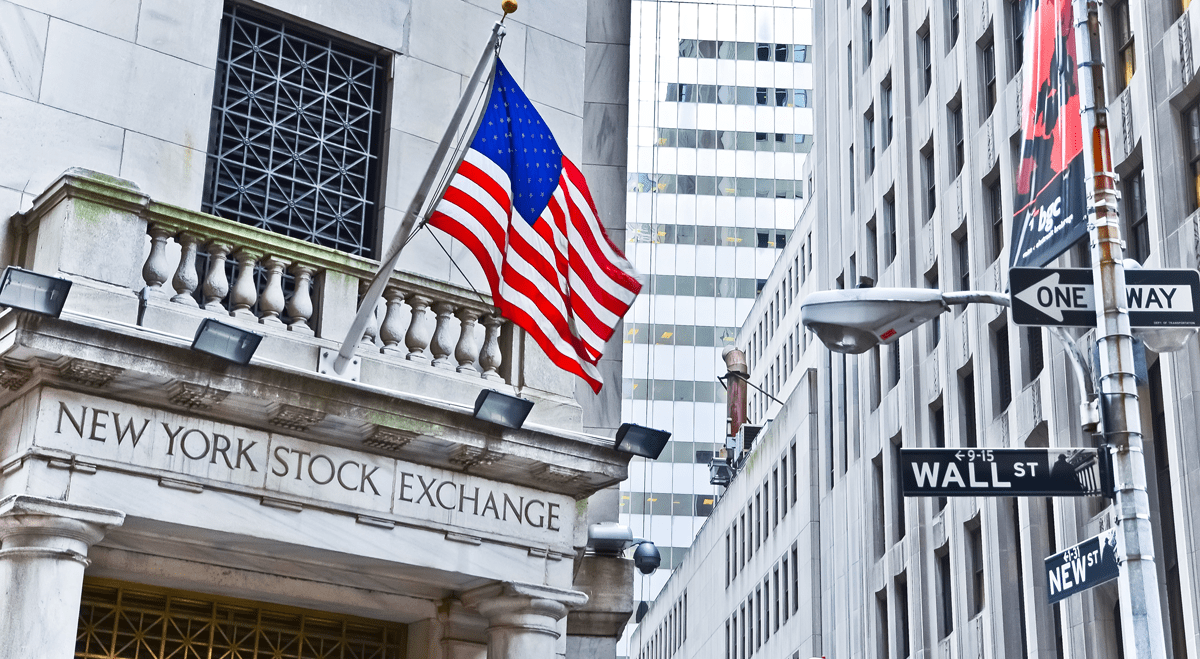
Stocks pulled back to start the week as renewed conflict in the Middle East rattled investors and pushed energy prices and bond yields higher. The U.S. and Iran traded fire for the first time in a month, reviving worries about oil supply just as markets had been coasting near record levels. Even with Monday’s losses, all three major averages still closed out August with monthly gains, a reminder that the broader uptrend remains intact for now.
What Moved Markets
The Dow Jones Industrial Average bore the brunt of the selling, falling 373.67 points, or 0.70 percent, to close at 53,186.32. The S&P 500 dipped 25.62 points, or 0.33 percent, to finish at 7,686.14, while the tech-heavy Nasdaq Composite held up best, easing just 31.54 points, or 0.12 percent, to 26,370.89.
The main driver was geopolitics. The exchange of fire between the U.S. and Iran sent U.S. crude oil above 85 dollars a barrel, and those higher energy costs fed straight into the bond market, lifting the yield on the 10-year Treasury note to its highest level since January 2025. Rising yields tend to weigh on stocks because they raise borrowing costs and make bonds a more competitive alternative to equities. Energy was the standout sector on the day, climbing more than 2 percent as oil rallied, while more rate-sensitive corners of the market such as industrials, utilities, and communications lagged.
Notable Movers
Science Applications International Corp. (SAIC) was one of the day’s biggest winners, surging 8.1 percent after the government technology contractor reported stronger-than-expected second-quarter results.
Petco Health and Wellness Co. (WOOF) advanced 4.9 percent, helped by early signs of a turnaround in the business and continued optimism about shifts in the pet retail industry.
VeriSign (VRSN) rose 4.8 percent after the company that manages critical internet infrastructure beat Wall Street’s second-quarter earnings estimates.
PG&E Corp. (PCG) was the worst performer, tumbling 16.7 percent after California lawmakers failed to pass major wildfire liability reform, leaving the utility exposed to potentially large financial claims.
Edison International (EIX) fell in sympathy on the same news, sinking 13.1 percent as investors reassessed the wildfire risk facing California’s electric utilities.
Looking Ahead
With geopolitics back in the driver’s seat, investors will be watching the Middle East closely, since further escalation could keep pushing oil prices and Treasury yields higher and pressure stocks. The move in the 10-year yield is worth monitoring as well, as a sustained climb would test the market’s recent resilience. Beyond the headlines, traders will turn their attention to upcoming economic data and any signals from the Federal Reserve on the path of interest rates. For now, the backdrop of solid corporate earnings has helped cushion the market, but the combination of higher oil, rising yields, and geopolitical uncertainty is a mix that warrants caution heading into September.