The Elmet Group Co. (NASDAQ:ELMT) said on September 14, 2026, that the US Department of War has committed to invest $450 million in the company to expand domestic tungsten manufacturing and international mining capacity.
The investment will begin with an initial $200 million drawdown at closing, followed by additional drawdowns. In return, the department will receive redeemable preferred equity and warrants representing up to 19.9% of Elmet’s common stock.
The agreement also gives the department the right to appoint one independent director and one non-voting observer to Elmet’s board.
Funding Targets US Manufacturing and Nevada Tungsten Project
More than $165 million of the investment is allocated to Elmet’s existing US facilities in Lewiston, Maine; Coldwater, Michigan; and Euclid, Ohio.
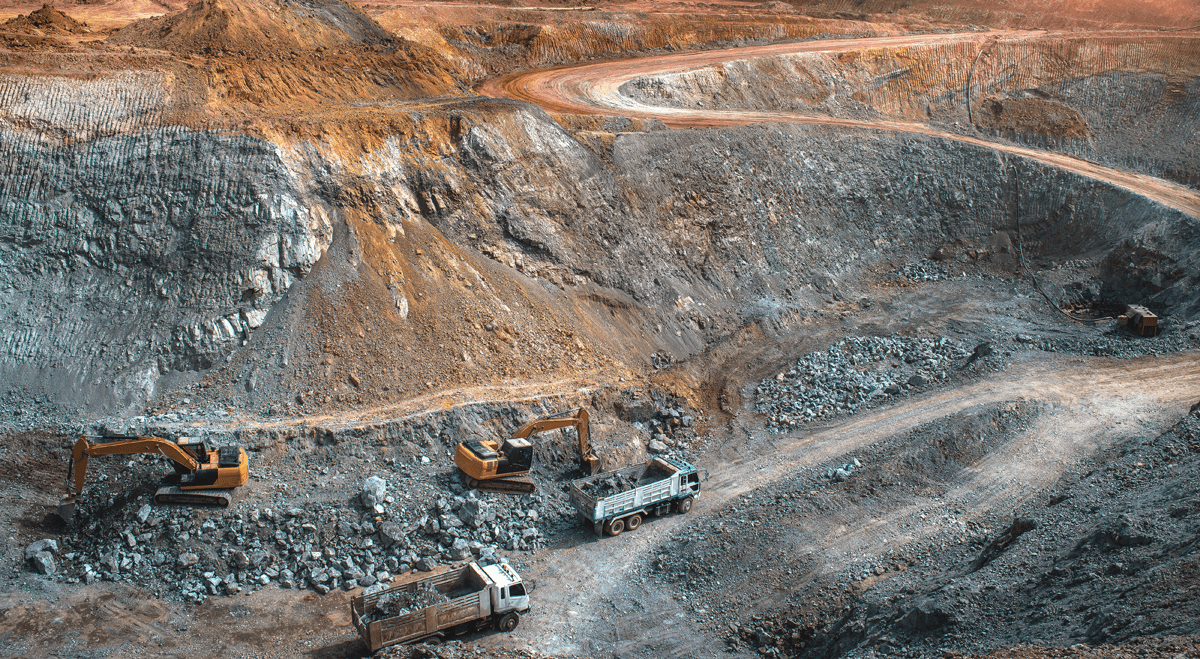
Approximately $150 million is expected to fund development of the Blue Moon Springer Tungsten Complex in Imlay, Nevada. The project is being developed through a majority-owned joint venture involving Elmet, Blue Moon Metals and Australia’s EQ Resources.
Elmet said the investment is intended to increase mining, processing and manufacturing capacity across its tungsten supply chain.
Elmet to Establish Refining and Trading Division
The company also plans to establish a new division called Elmet Refining & Trading.
The division will coordinate sourcing, processing and delivery of materials across Elmet’s supply network, which includes operations in the US, Australia and Spain.
Defense Logistics Agency Contract Has $2 Billion Ceiling
Separately, Elmet subsidiary Elmet Technologies has received an indefinite delivery/indefinite quantity contract from the Defense Logistics Agency to supply tungsten ores, concentrates and sodium tungstate to the US National Defense Stockpile.
The contract has a ceiling value of up to $2 billion and includes a guaranteed funded commitment of $150 million.
The agreement runs through August 2031 and includes an option to extend it through August 2033.
Elmet said it does not intend to begin deliveries to the stockpile until additional mining and processing capacity becomes operational, with the aim of avoiding the diversion of material from existing US manufacturers.