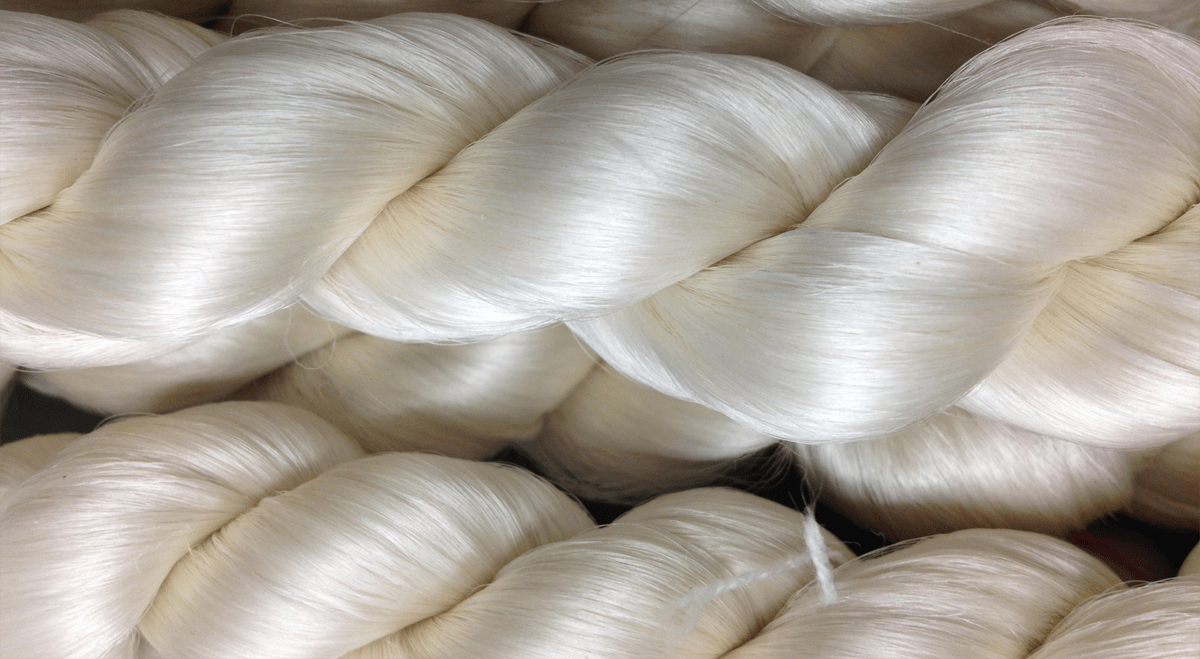
Kraig Biocraft Laboratories is positioning its recombinant spider silk for potential fashion and textile applications after reporting production of approximately 3.2 metric tons of cocoons in a single production cycle earlier this year.
Key Investor Takeaways
- Kraig Biocraft Laboratories (USOTC:KBLB) is highlighting fashion and advanced textiles as potential markets for its recombinant spider silk technology during New York Fashion Week.
- The company previously reported producing approximately 3.2 metric tons of recombinant spider silk cocoons in a single production cycle.
- Kraig Labs uses genetically engineered silkworms to produce recombinant spider silk directly, with a model intended to utilize existing silk-industry infrastructure and processing systems.
- Potential applications identified by the company include luxury textiles, performance apparel and protective materials.
- The announcement does not disclose new customer agreements, fashion-industry partnerships, purchase orders, revenue or commercialization timelines.
Why KBLB Stock Is in Focus
Kraig Biocraft Laboratories is using New York Fashion Week to highlight the potential role of its recombinant spider silk in fashion as designers and textile manufacturers explore bio-based and alternative fibers.
The company’s approach relies on genetically engineered silkworms incorporating spider silk proteins to produce recombinant spider silk. Kraig Labs said this differs from methods that first manufacture silk proteins through fermentation and then require additional processing to create fibers.
The production model is designed to make use of infrastructure, expertise and processing systems already established within the global silk industry.
The more measurable development for investors is the company’s previously reported production of approximately 3.2 metric tons of recombinant spider silk cocoons during a single production cycle. Kraig Labs described that output as a world record and said it expects production levels to increase.
The company is continuing work on production, processing and commercialization, with fashion representing one of several potential end markets for the material.
Why This Matters for Investors
For an emerging biomaterial, the ability to move from laboratory development toward larger-scale production is a central part of the commercialization pathway. Kraig Labs’ reported 3.2-metric-ton production cycle therefore provides a tangible operating metric behind its broader fashion positioning.
Its use of engineered silkworms may also be strategically relevant because the company intends to leverage established silk manufacturing infrastructure rather than build an entirely separate fiber-production process.
Management sees potential applications across luxury textiles, performance apparel, protective materials and other advanced-material markets. Fashion could therefore provide one route to commercialization alongside more performance-oriented applications.
However, the current announcement primarily establishes market positioning rather than a new commercial milestone. No fashion brand, designer or textile manufacturer was announced as a customer or development partner, and the company provided no new information on product sales, pricing or commercial volumes.
For investors, that distinction makes future evidence of customer adoption important in determining whether increased production can translate into commercial demand.
What to Watch Next
Further production increases and progress in processing recombinant spider silk into finished fibers or textiles will provide additional indicators of Kraig Labs’ ability to scale its technology.
Commercial agreements with designers, textile manufacturers or other end users would represent a further step beyond the production progress disclosed to date.
Investors may also watch for details on commercial volumes and applications as Kraig Labs advances its technology across luxury textiles, performance apparel and protective-material markets.