Schneider Electric’s latest research identifies potential energy savings of up to 22% in buildings and cooling water reductions exceeding 50% in modeled AI data centers, highlighting opportunities for its energy management technologies.
Key Investor Takeaways
- Schneider Electric (NYSE:SNDR) has published research examining AI-enabled building optimization, modernization barriers and data center cooling efficiency.
- AI building management could reduce energy consumption by up to 22% in modeled scenarios, with estimated annual utility savings of $13,600 to $49,300 per building.
- Optimized liquid-cooling architectures reduced modeled on-site cooling water consumption by 48% in Dallas and 53% in Paris.
- A new partnership with Lenovo extends Schneider Electric’s decarbonization services to a network of more than 860 IT channel partners.
- Further supply-chain decarbonization announcements are expected during Climate Week NYC 2026.
Why SNDR Stock Is in Focus
Schneider Electric has released three research papers at Climate Week NYC 2026 examining how artificial intelligence, building modernization and data center design can improve energy and resource efficiency.
The company’s AI building optimization study estimates that adding artificial intelligence to existing building management systems could generate energy savings of up to 22% compared with buildings operating without AI.
The AI component alone accounted for estimated savings of 7.2% to 12.7%, suggesting that software-based improvements may deliver measurable efficiency gains without requiring complete infrastructure replacement.
A separate study, developed with Boston University’s Institute for Global Sustainability, examined 95 barriers identified across 880 academic sources and 60 practitioner interviews.
The research concluded that workforce availability, permitting and financing capacity are major obstacles to building modernization, rather than the availability of suitable technology.
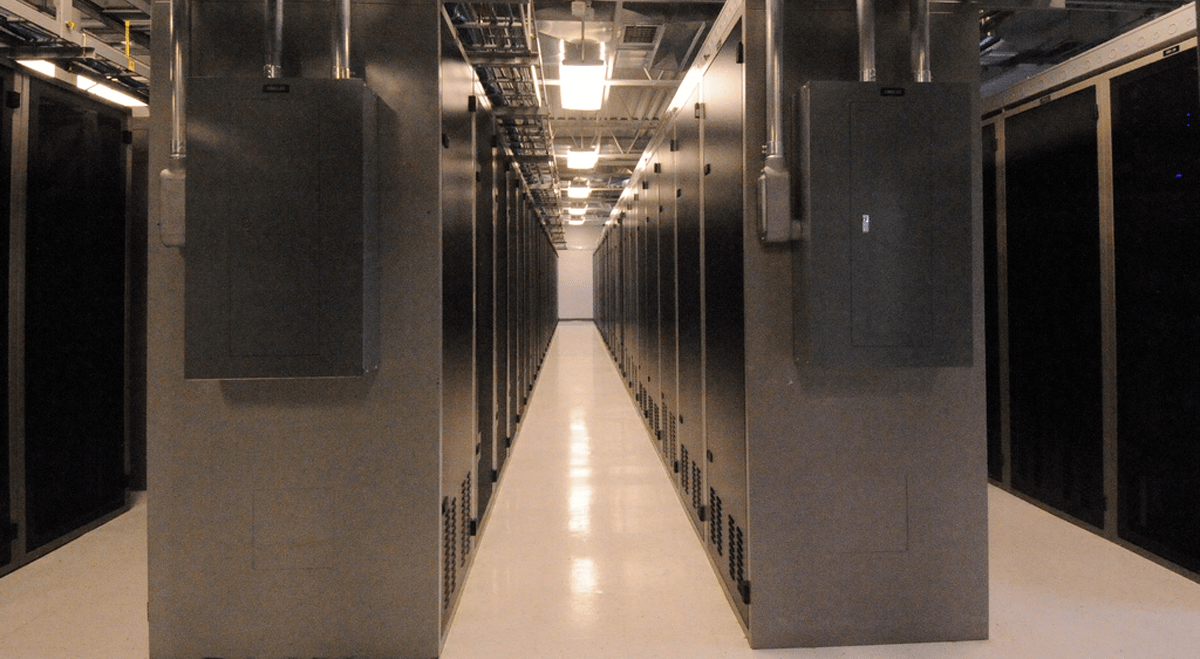
Schneider Electric also published an analysis of cooling water consumption across different 100 MW AI data center configurations.
In Dallas, an optimized liquid-cooled architecture reduced modeled annual on-site cooling water consumption from approximately 382,000 to 197,000 cubic meters.
In Paris, the corresponding reduction was from approximately 108,000 to 51,000 cubic meters.
These findings demonstrate how cooling architecture and operating temperature can influence the resource requirements of high-density AI infrastructure.
Why This Matters for Investors
The research reinforces Schneider Electric’s positioning across two areas of energy technology: improving the efficiency of existing buildings and supporting the expansion of AI infrastructure.
For its building management business, the modeled energy savings provide a quantified basis for demonstrating the potential economic value of AI-enabled optimization.
However, the results represent modeled scenarios rather than confirmed savings across commercial deployments. Actual outcomes may vary according to building characteristics and operating conditions.
The modernization research also identifies an important commercial consideration. Although efficiency technology is available, adoption depends on customers’ ability to secure financing, obtain permits and access qualified workers.
These implementation constraints could influence the pace at which potential demand translates into commercial projects.
In data centers, the cooling study provides evidence that infrastructure design can substantially affect water consumption as AI computing requirements expand.
This may strengthen the relevance of Schneider Electric’s cooling and energy management capabilities for operators seeking to manage resource use alongside capacity growth.
The company has not disclosed new revenue forecasts, contract values or financial guidance associated with the research, leaving the commercial impact of these findings unquantified.
Lenovo Partnership Expands Decarbonization Services
Alongside its research announcements, Schneider Electric has joined Lenovo 360 Circle as a strategic ally, extending its Decarbonization Champion program to a network of more than 860 partners.
Eligible participants will receive carbon management tools, sustainability training, remote site audits and assistance developing decarbonization roadmaps.
The program covers Scope 1 and Scope 2 emissions, providing partners with a framework for measuring and managing their operational carbon footprint.
For Schneider Electric, the arrangement expands the potential reach of its advisory services through Lenovo’s established partner ecosystem.
The initiative follows the company’s engagement with its top 1,000 suppliers, which it says contributed to a 56% reduction in their operational CO₂ emissions between 2021 and 2025.
No financial terms or revenue expectations for the Lenovo partnership were disclosed.
What to Watch Next
Schneider Electric plans to make further announcements during Climate Week NYC concerning collective approaches to supply-chain decarbonization, building on its Energize and Catalyze programs.
Investors can monitor whether these initiatives produce additional commercial partnerships, customer commitments or measurable deployment milestones.
Evidence of real-world adoption of AI building optimization and advanced data center cooling systems will also be relevant in assessing how the research translates into commercial activity.
Future disclosures on contract values, revenue contributions and deployment progress would provide greater visibility into the financial significance of these initiatives.