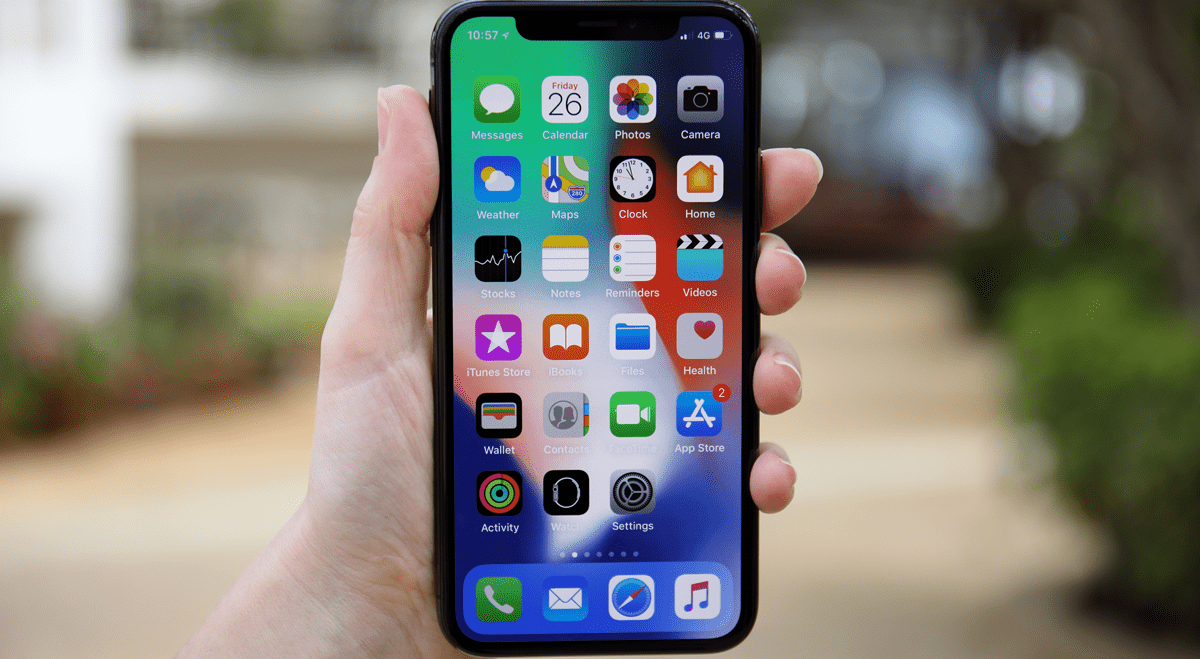
Global smartphone shipments declined 22% during the September quarter, marking the steepest quarterly contraction on record, according to market research firm IDC.
The decline was largely attributed to rising memory chip prices, driven by sustained demand from the artificial intelligence industry over the past year. Higher component costs have placed increasing pressure on smartphone manufacturers, reducing profitability and forcing companies to reconsider their product ranges and pricing strategies.
IDC indicated that the impact has been particularly severe among manufacturers focused on lower-priced devices, while companies with stronger positions in the premium smartphone market have demonstrated greater resilience.
The research firm now expects the global smartphone market to remain under pressure, with a return to growth unlikely before 2028.
AI Demand Pushes Up Memory Costs for Smartphone Manufacturers
The expansion of artificial intelligence infrastructure has increased demand for memory chips, contributing to higher prices and tighter availability across the semiconductor industry.
According to IDC, the resulting increase in memory and storage costs has significantly affected smartphone manufacturers, which rely on these components across their product portfolios.
The pressure has been particularly pronounced in lower-priced smartphones, where manufacturers typically operate with narrower profit margins and have less flexibility to absorb additional production costs.
As memory prices have increased, companies have faced difficult decisions about whether to accept lower profitability or pass additional expenses on to consumers.
IDC identified the rise in component costs as a central factor behind the 22% decline in global smartphone shipments during the September quarter.
The contraction suggests that the effects of AI-related semiconductor demand are extending beyond data centres and computing infrastructure into consumer electronics markets.
Manufacturers Raise Prices and Reduce Budget Smartphone Options
Smartphone manufacturers have responded to higher component costs by adjusting retail prices, changing device specifications and reducing the availability of lower-priced models.
According to IDC, some companies have increased handset prices to protect profit margins, while others have reduced hardware specifications to control manufacturing expenses.
Manufacturers have also withdrawn certain budget-oriented products from their ranges, reflecting the difficulty of maintaining profitability in the most price-sensitive segments.
These changes could make new smartphones less affordable for consumers, particularly in markets where lower-cost Android devices account for a substantial proportion of sales.
Higher prices may also encourage customers to delay replacing existing handsets, potentially extending replacement cycles and placing additional pressure on shipment volumes.
The shift towards more expensive models reflects manufacturers’ efforts to preserve profitability in an environment of elevated semiconductor costs.
Xiaomi and Oppo Face Greater Pressure Than Apple and Samsung
IDC identified Chinese smartphone manufacturers Xiaomi and Oppo as among the major companies most affected by the market contraction.
Both brands compete across price-sensitive segments, where higher memory costs can have a greater effect on product profitability and consumer demand.
By comparison, Apple (NASDAQ:AAPL) and Samsung Electronics (USOTC:SSNHZ) performed relatively better, supported by their larger portfolios of premium smartphones.
Higher-priced devices generally provide manufacturers with greater flexibility to absorb rising component costs or adjust retail prices without the same degree of pressure experienced in entry-level categories.
Apple’s established premium positioning and Samsung’s broad product range have helped the companies navigate the difficult market conditions more effectively than some competitors.
However, IDC’s findings indicate that the wider smartphone industry remains exposed to the effects of rising semiconductor prices, even among manufacturers with stronger premium offerings.
IDC Does Not Expect Smartphone Market Growth Before 2028
IDC believes the changes affecting the smartphone industry represent a structural shift rather than a temporary disruption.
The research firm indicated that manufacturers are increasingly recognising that higher component costs and changing product economics could reshape the market over an extended period.
As a result, IDC now expects global smartphone shipments to remain under pressure, with growth unlikely to resume until 2028 at the earliest.
The forecast suggests that manufacturers may need to adapt their business models to an environment characterised by higher device prices, fewer budget options and greater emphasis on premium products.
The shift could also alter competitive dynamics, favouring companies with established distribution networks, strong brands and the ability to sell higher-margin devices.
Premium Smartphone Manufacturers Could Gain Market Share
Although IDC expects the overall smartphone market to contract, the research firm believes companies with substantial premium product portfolios could capture a larger proportion of remaining demand.
Apple is among the manufacturers positioned to benefit from this trend, alongside other companies with extensive distribution networks and established flagship smartphone ranges.
As manufacturers increase prices and encourage consumers to purchase flagship or ultra-premium models, sales could become increasingly concentrated among brands serving higher-value market segments.
This would not necessarily translate into higher overall shipment volumes, as market share gains could occur within a smaller global market.
For smartphone manufacturers, the outlook will depend on their ability to manage component costs, maintain competitive pricing and adapt product portfolios to changing consumer demand.
IDC’s findings highlight the growing influence of artificial intelligence investment on the broader electronics supply chain, with rising memory costs contributing to one of the most significant downturns in the smartphone market.