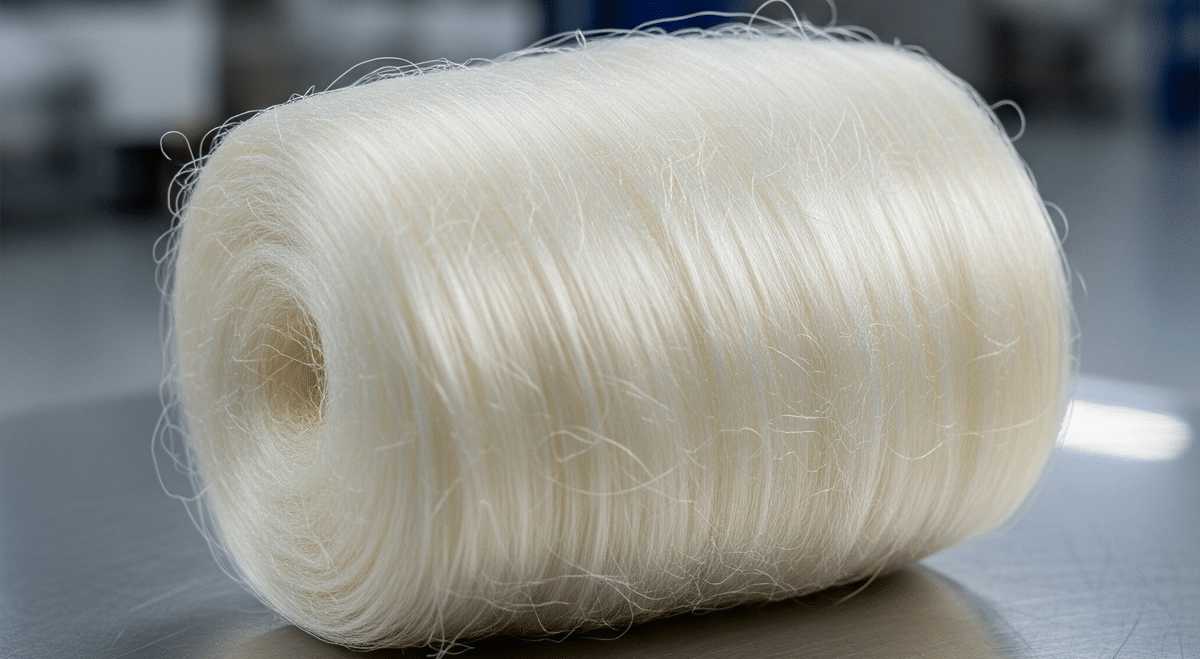
Kraig Biocraft Laboratories, Inc. (USOTC:KBLB) has launched a new research and development programme aimed at improving the production and performance of recombinant spider silk through targeted dietary supplements for its genetically engineered silkworms.
The initiative focuses on supplying specific nutritional components intended to support the production of spider silk proteins, complementing the company’s existing genetic engineering technology.
Kraig Labs said the programme remains in its early stages, with researchers evaluating potential additives and assessing their effects on protein production and silk fibre characteristics.
Research Programme Targets Spider Silk Protein Production
Kraig Biocraft Laboratories has spent several years developing genetically modified silkworms capable of producing recombinant spider silk proteins.
Its latest research initiative shifts part of the development focus from genetic modifications to the nutritional requirements of the silkworms responsible for producing the material.
While dietary supplementation has previously been investigated in conventional silk production, Kraig Labs is pursuing a more targeted approach designed to support the specific spider silk proteins expressed by its genetically engineered silkworms.
The company believes that providing appropriate nutritional building blocks could improve the efficiency of protein production and potentially enhance the resulting silk fibres.
Kim Thompson, Founder and Chief Executive Officer of Kraig Labs, said the new programme builds on the company’s existing genetic engineering capabilities.
“We have engineered them to produce spider silk proteins. Now we are working to fuel those exact proteins from the inside,” Thompson said.
He described the approach as an additional method of improving performance alongside the company’s ongoing genetics research.
Early Research Shows Encouraging Initial Results
Kraig Labs said its research team is examining candidate dietary additives to determine how they influence spider silk protein production and fibre performance.
The programme is intended to identify nutritional combinations that could improve both the quantity and quality of recombinant spider silk produced by its silkworms.
Dr Xiaoli Zhang, Chief Scientist at Kraig Labs, said the company has observed encouraging preliminary findings.
“By targeting specific dietary components, we can enhance the production of the spider silk proteins our genetic constructs are designed to express,” Zhang said.
“Initial results show positive signs. We are excited to explore how much further this approach can take us.”
The company has not disclosed quantitative results, the specific additives being tested or a timetable for completing the research.
Further evaluation will be required to establish whether the approach can deliver measurable improvements in production efficiency or material performance.
Programme Complements Genetic Engineering and Production Expansion
The nutritional research initiative forms part of Kraig Labs’ broader development strategy, which includes advanced genetic engineering, new transgenic silkworm development and efforts to increase production capacity.
The company uses genetically engineered silkworms to produce recombinant spider silk, a material being developed for potential applications in textiles and other fibre-based products.
By combining genetic modifications with targeted nutritional research, Kraig Labs aims to improve the performance of its silk while increasing the efficiency of its production processes.
The company’s work in genetically engineered spider silk was also featured in the March 2026 issue of National Geographic, highlighting developments in the production of spider silk using modified silkworms.
Outlook
Kraig Biocraft Laboratories’ new dietary additive programme represents an additional research initiative intended to improve recombinant spider silk production beyond genetic engineering alone.
The company will continue evaluating nutritional formulations and measuring their effects on protein expression and fibre characteristics.
Although preliminary findings have been described as positive, Kraig Labs has not provided numerical performance data or confirmed whether the approach will be adopted in commercial production.
Future developments will depend on the results of further testing and the company’s ability to integrate any improvements into its existing production systems.