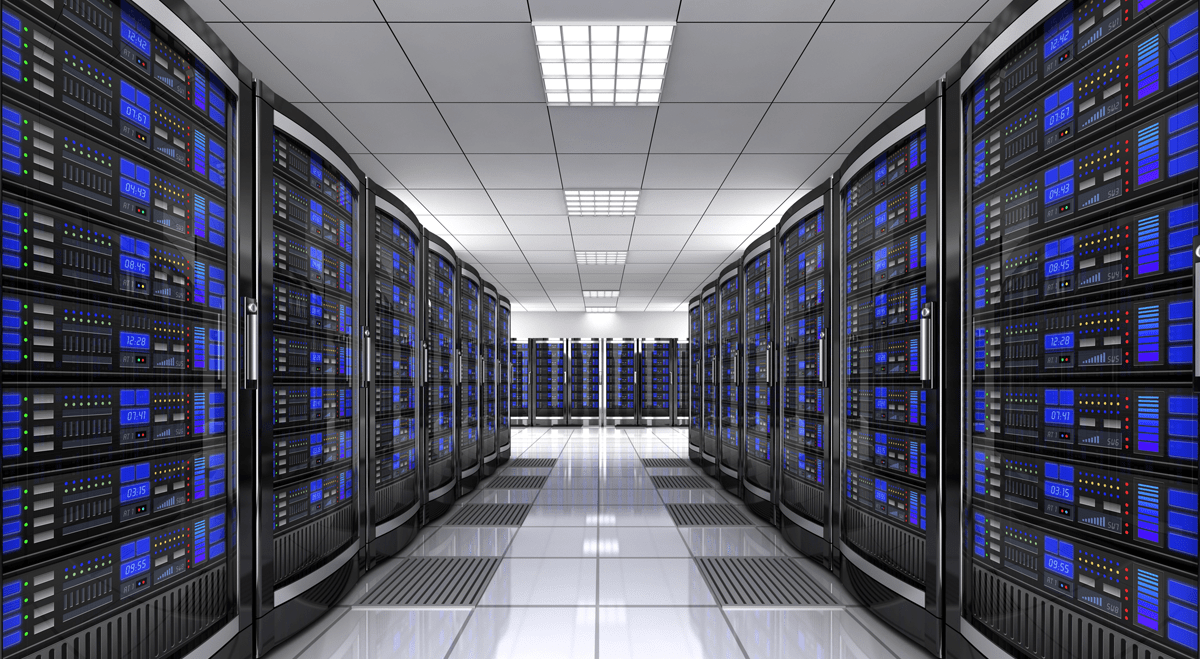
Citi expects the expansion of data center infrastructure to continue despite rising construction expenses, additional regulatory requirements and higher financing costs following the US midterm elections, citing sustained demand for artificial intelligence computing capacity.
In a research note published Wednesday, Citi strategist Steph Choe said additional permits, regulatory reviews and restrictions could extend development timelines and increase costs for companies building and operating data centers.
However, Citi Research maintains that demand for semiconductors, computing capacity and supporting infrastructure will remain resilient, providing continued support for investment in the sector.
AI Computing Demand Expected to Increase Through 2031
Citi’s equity research forecasts substantial growth in artificial intelligence workloads over the next five years.
The bank projects that AI token production, a measure of the output generated by artificial intelligence systems, will increase at an annual rate of 236% during that period.
Generative AI workloads are expected to account for an increasing proportion of overall data center demand.
According to Citi, generative AI will represent approximately 26% of total data center demand in 2026, rising to around 82% by 2031.
The projections indicate that artificial intelligence applications are expected to become a larger source of demand for computing infrastructure.
Citi considers this anticipated growth an important factor supporting continued data center development, even as project costs increase.
Regulatory Requirements Could Extend Construction Timelines
Choe said the regulatory environment for data center construction has become more demanding following the midterm elections.
Additional permitting requirements, reviews and restrictions could increase the time required to complete projects.
These measures may also raise development costs, with some expenses potentially passed on to data center tenants.
Higher project costs and longer construction schedules could affect financing arrangements, particularly for developments that have not yet secured sufficient funding or power supplies.
However, Choe suggested that recent regulatory actions and construction moratoriums appear intended to distinguish financially viable projects from more speculative developments.
Under this assessment, additional scrutiny could influence which projects proceed rather than bring data center construction to a halt.
Existing Data Centers Could Benefit From Development Delays
Citi also identified potential implications for the value of operational data centers.
If new construction projects face longer approval processes or delays, facilities that are already completed and connected to power supplies could become relatively more valuable.
The bank pointed to differences in the performance of high-yield bonds associated with data center projects.
According to Citi, high-yield bonds issued in 2025 to finance completed and powered data centers have substantially outperformed bonds issued during 2026 for projects still under construction.
The difference suggests that investors are distinguishing between operational facilities and developments that remain exposed to construction, permitting and financing risks.
Existing data centers may therefore benefit from their ability to provide computing capacity without the delays associated with new development.
Financing Costs Expected to Rise for New Projects
Citi anticipates that financing new data center developments will become more expensive.
“Admittedly, we think an increase in financing costs for the new data centers is inevitable,” Choe wrote.
The strategist said the extent of those increases could depend on the financial backing and operational arrangements supporting individual projects.
Developments supported by investment-grade hyperscalers, including large cloud computing operators, may face lower financing costs than projects without comparable financial support.
Dedicated power supplies could also help reduce financing expenses by addressing concerns about access to the electricity required to operate data centers.
These factors may become increasingly important as lenders and bond investors assess the risks associated with new developments.
High-Yield Bond Issuance Could Decline in 2027
Citi expects fewer data center bonds to be issued in the high-yield market next year as investors demand greater compensation for risk.
High-yield bonds, also known as junk bonds, generally offer higher interest rates because they carry greater credit risk than investment-grade securities.
Choe suggested that higher borrowing costs could reduce the attractiveness of this financing channel for some data center developers.
However, the bank does not necessarily interpret a decline in high-yield issuance as evidence of an overall reduction in infrastructure investment.
“A potential slowdown in data center bond issuance in the HY market could simply be rerouted to other capital markets, and should not be hastily interpreted as an overall decline in data center financing,” Choe said.
The comments indicate that developers may increasingly seek funding through alternative debt or capital market arrangements.
AI-Related Credit Spreads Widen Following October Sell-Off
Citi also highlighted changes in credit market pricing for artificial intelligence-related borrowers.
The bank reported that high-yield AI credit spreads had widened substantially following the October market sell-off.
“HY AI spread have rapidly decompressed since the October selloff, standing almost 200bps wider than their non-AI counterparts,” Choe wrote.
The difference of approximately 200 basis points, equivalent to two percentage points, indicates that investors are demanding additional yield compensation for AI-related high-yield debt compared with non-AI securities.
Wider credit spreads generally increase borrowing costs for companies seeking to raise funds through bond markets.
The development reinforces Citi’s expectation that financing new data center projects will become more expensive, particularly in the high-yield segment.
Citi Maintains Outlook for Continued Infrastructure Investment
Despite the prospect of higher construction and financing costs, Citi does not expect the data center expansion cycle to end.
The bank’s outlook is supported by forecasts for substantial increases in AI token production and the growing share of computing demand associated with generative AI applications.
Regulatory requirements and more selective credit markets could influence project schedules, financing structures and the relative attractiveness of existing facilities.
However, Citi expects the underlying demand for computing infrastructure to continue supporting development activity.
The bank’s assessment suggests that rising costs may change how data centers are financed and constructed without necessarily resulting in an overall decline in sector investment.