Category: Include on Menu
-

Five market events investors should watch this week
Investors face another busy week as major technology companies prepare to report earnings, central banks weigh inflation risks and geopolitical tensions continue to influence global markets. Developments surrounding artificial intelligence, the conflict in the Middle East and key economic data releases are all expected to shape investor sentiment in the days ahead. 1. Technology earnings…
-
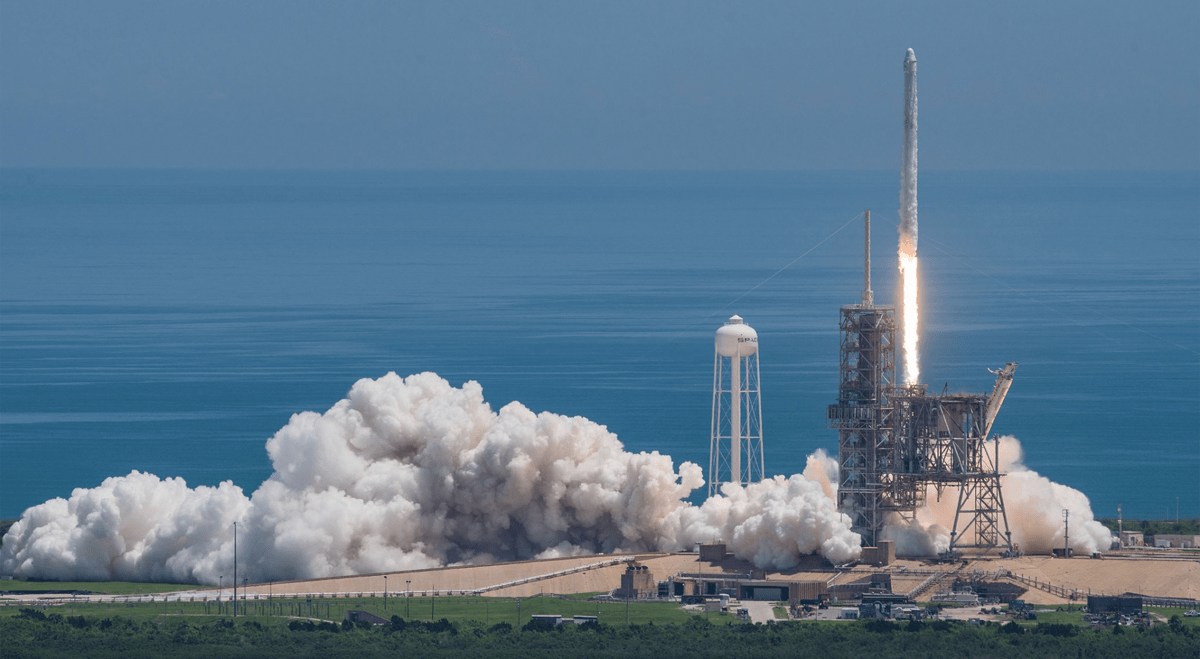
SpaceX sets new Starship launch attempt for Thursday after previous countdown abort
SpaceX (NASDAQ:SPCX) is planning to make another attempt to launch its Starship rocket on Thursday, July 23, after the previous test flight was halted moments before liftoff. The updated schedule was confirmed by the company on Sunday. Earlier, SpaceX Chief Executive Elon Musk had posted on X that the next launch would take place on…
-

TSMC sees long-term AI chip demand as Arizona investment expands to $265 billion
TSMC (NYSE:TSM) expects demand for artificial intelligence chips to remain strong for years as it accelerates investment in its manufacturing operations in Arizona, although the company acknowledges labour and infrastructure challenges could affect the pace of expansion. Following stronger-than-expected second-quarter results, Chief Financial Officer Wendell Huang said the chipmaker remains confident in its long-term outlook…
-

Novartis pipeline faces critical test as upcoming trial results underpin growth outlook
Novartis (NYSE:NVS) is preparing for a crucial period as investors look beyond its quarterly earnings release on Tuesday and focus on three major clinical trial results expected later this year that could determine the company’s long-term growth trajectory. The Swiss pharmaceutical group’s upcoming studies are widely viewed as key to supporting its premium market valuation,…
-
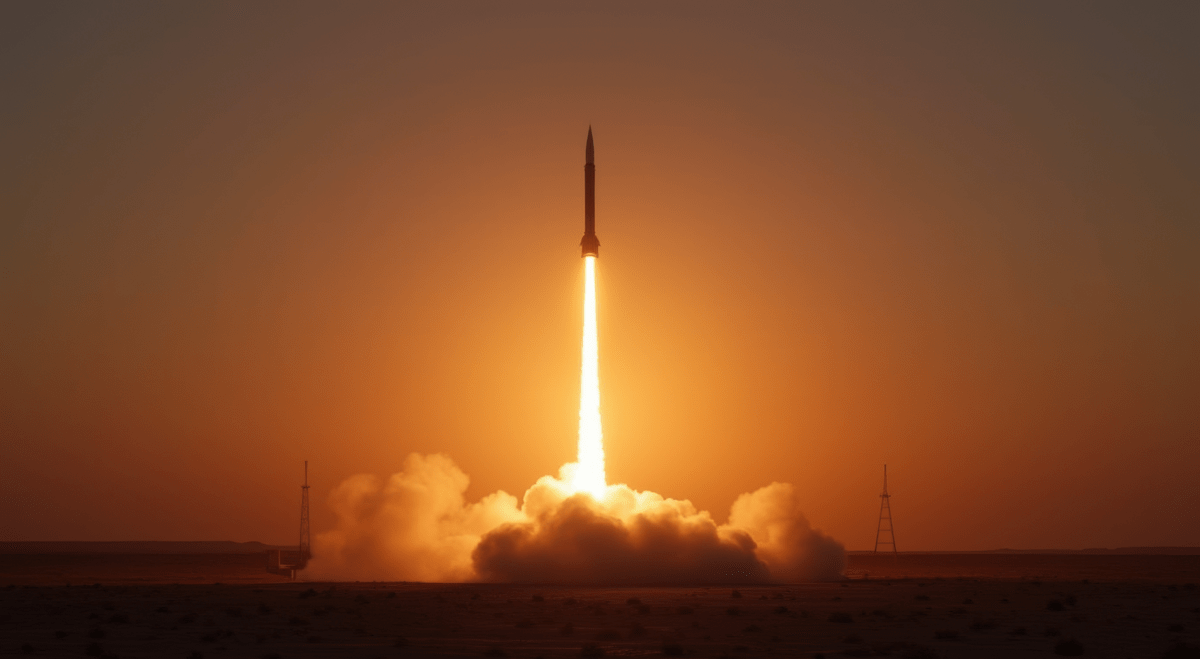
Lockheed Martin unveils lower-cost Patriot ACE interceptor as global air defence demand accelerates
Lockheed Martin (NYSE:LMT) has introduced a lower-cost Patriot interceptor designed to help armed forces strengthen air-defence capabilities while reducing procurement costs, as governments seek affordable solutions to counter drones and missile threats. The company said its new PAC-3 Adapted Capability Effector (ACE) interceptor is expected to cost less than half the price of its existing…
-
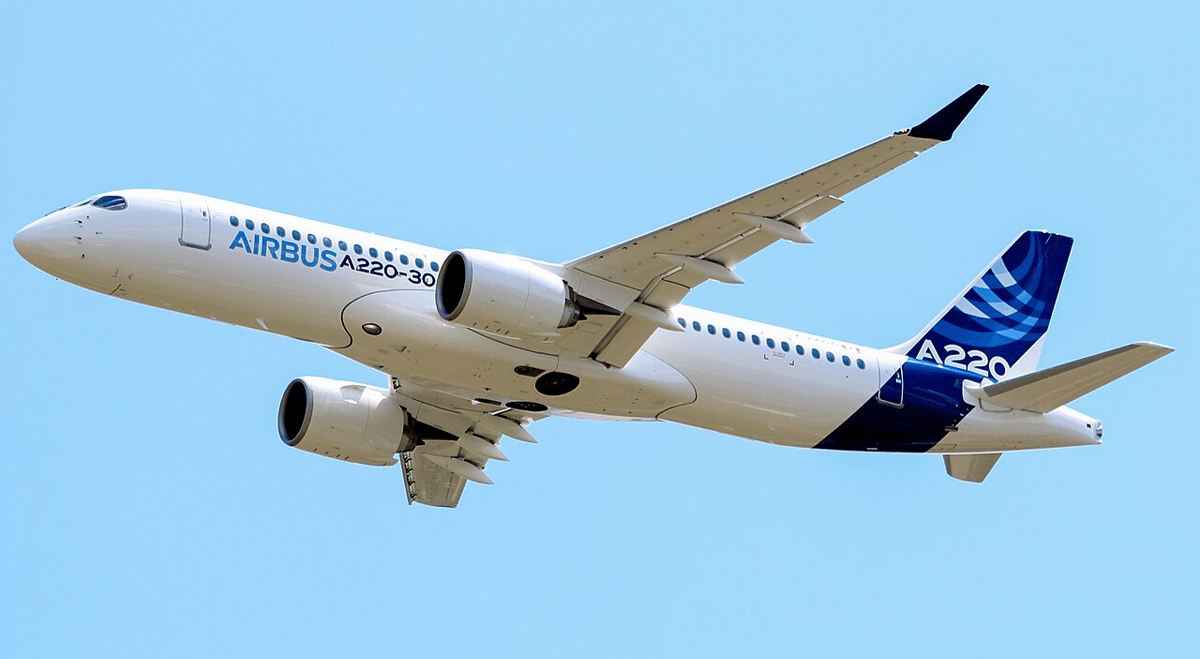
Honeywell Aerospace secures IndiGo avionics contract and Aeromexico runway safety rollout
Honeywell Aerospace (NASDAQ:HONAV) announced on Monday that it has been selected by IndiGo to provide avionics and power systems for 810 Airbus A320neo-family aircraft. The company also revealed that Aeromexico plans to introduce Honeywell’s runway safety technology across a fleet of more than 100 Boeing aircraft. IndiGo expands partnership with Honeywell Under the agreement, Honeywell…
-

Brent crude pulls back after topping $90 as markets assess US-Iran conflict
Oil prices retreated from earlier highs on Monday after an Iranian foreign ministry spokesperson said there was still scope for negotiations with the United States if they aligned with the country’s national interests. Brent crude, the international benchmark, was up 0.2% at $88.26 a barrel by 05:00 ET (09:00 GMT), after earlier climbing to a…
-

Gold holds near $4,000 as Fed rate expectations offset safe-haven demand
Gold prices were broadly stable on Monday as investors balanced rising geopolitical tensions between the United States and Iran against expectations that higher energy prices could encourage the Federal Reserve to keep interest rates elevated for longer. At 22:17 ET (02:17 GMT), XAU/USD was up 0.1% at $4,020.63 an ounce, while Gold Futures gained 0.8%…
-
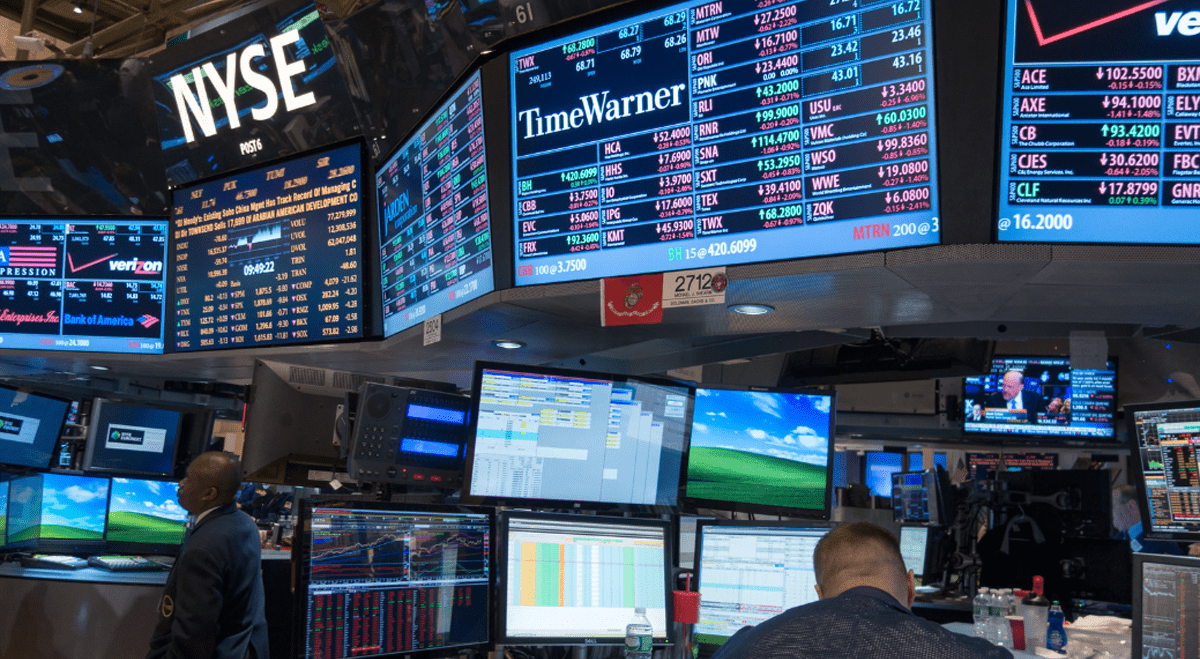
US futures edge higher as Middle East tensions, oil prices and Big Tech earnings dominate markets: Dow Jones, S&P, Nasdaq, Wall Street
U.S. stock index futures traded modestly higher on Monday as investors balanced escalating geopolitical tensions in the Middle East against a busy week of corporate earnings led by several of America’s largest technology companies. By early morning trading, Dow Jones futures had added around 50 points, or 0.1%, while S&P 500 futures rose 0.2%. Nasdaq…
-

IEA Says Global Economy Has Weeks to Prevent Hormuz Shipping Crisis
The global economy could begin feeling the effects of renewed disruption in the Strait of Hormuz within weeks, according to Fatih Birol, Executive Director of the International Energy Agency (IEA), as escalating conflict in the Middle East continues to threaten one of the world’s most important energy trade routes. The warning comes as tanker traffic…