ADVFN US – Market Content Editor
-

Oil Prices Retreat as Iraqi Tanker Passage Through Hormuz Eases Supply Fears
Oil prices moved sharply lower on Monday after signs of increased shipping activity through the Strait of Hormuz reduced some concerns about Middle Eastern supply disruptions, with Iran reportedly permitting several Iraqi oil tankers to transit the strategically important waterway. Separately, the New York Post reported that shipping traffic through Hormuz had risen considerably during…
-

Bitcoin Holds Above $77,000 After Regulatory Optimism Drives Rebound
Bitcoin (COIN:BTCUSD) traded higher on Monday, holding on to much of its recent recovery as expectations for more favourable U.S. cryptocurrency regulation and looser financial conditions supported demand for digital assets. Bitcoin gained 1.3% to $77,091.1 by 01:47 ET (05:47 GMT), after having climbed above $79,000 during its recent rebound. The wider cryptocurrency market also…
-
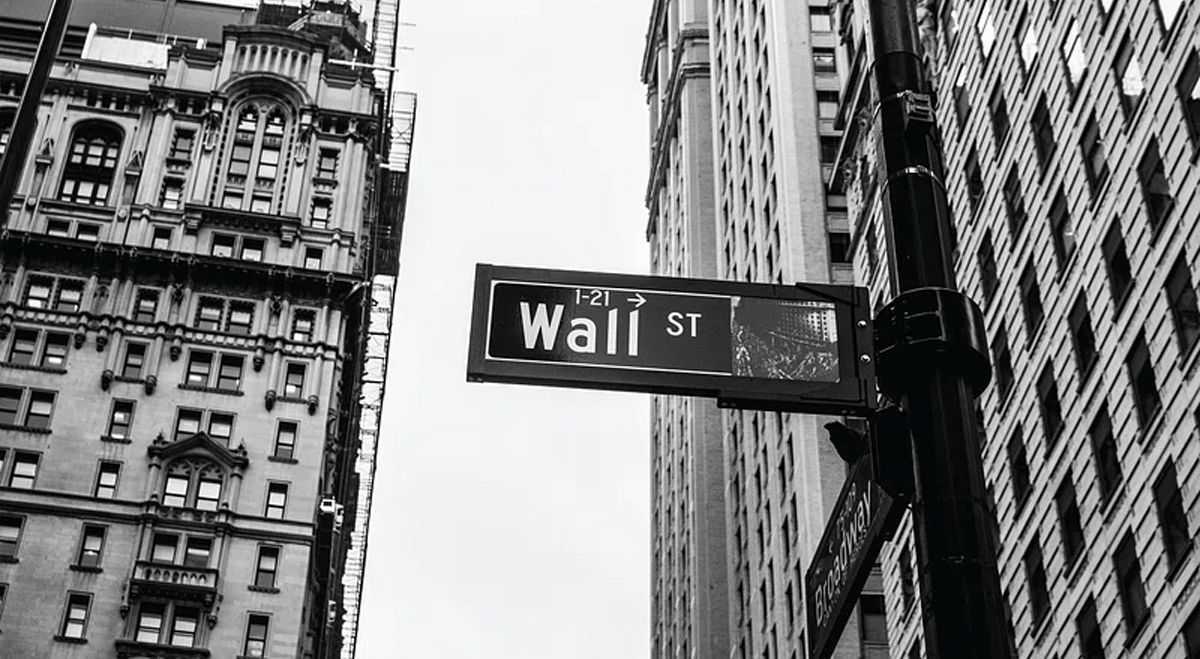
AI Trade in Focus as Nvidia Earnings and Iran Sanctions Keep Markets on Edge: Dow Jones, S&P, Nasdaq, Wall Street Futures
U.S. stock futures moved lower on Monday as investors prepared for Nvidia’s (NASDAQ:NVDA) quarterly results later in the week, with uncertainty surrounding the artificial intelligence trade combining with geopolitical tensions between Washington and Tehran to weigh on sentiment. Markets are also looking towards Federal Reserve Chair Kevin Warsh’s appearance at Jackson Hole, where investors will…
-

How long could global oil stockpiles last if supply disruptions continue?
Global oil inventories are falling rapidly as the U.S.-Iran conflict and disruption to shipping through the Strait of Hormuz continue to affect supplies, but Citi estimates it could take several years before overall stockpiles approach levels associated with previous major oil crises. In a note to clients, Citi analysts estimated that observed global inventories declined…
-

Investor bullishness surges as BofA survey shows cash levels near historic lows
Investor optimism has climbed to its third-highest level since 2022, according to Bank of America’s August Global Fund Manager Survey, with portfolio cash holdings approaching historic lows and allocations to equities reaching their strongest level in nearly five years. Cash declined to 3.5% of assets under management in August from 3.6% in July, representing the…
-

Why Bank of America strategist Michael Hartnett says the trade is still long gold
Gold remains Bank of America strategist Michael Hartnett’s preferred protection against a weakening U.S. dollar, with investment funds focused on the precious metal recording their strongest weekly inflows since January. According to BofA’s latest fund flows data, gold attracted $6.3 billion during the week, marking the largest inflow since January 2026. Investors also directed $25.4…
-

Deutsche Bank warns markets are pricing in a near-perfect Goldilocks scenario
Financial markets are relying on an unusually favourable combination of economic outcomes that may prove difficult to sustain, according to Deutsche Bank, which warned that current valuations leave investors with little room for disappointment. Macro strategist Henry Allen said risk assets remain strong, with global equity markets trading around record levels. At the same time,…
-

When will AI begin delivering meaningful earnings gains? Goldman Sachs assesses the outlook
Second-quarter earnings across the S&P 500 were robust, with companies tied to artificial intelligence infrastructure continuing to account for a substantial portion of overall profit growth. S&P 500 earnings per share increased 31% from a year earlier during the quarter when excluding one-off income related to private investment holdings. AI infrastructure companies, including hyperscalers, generated…
-

Can U.S. stocks withstand midterm election volatility?
RBC Capital Markets has reviewed how U.S. equities behaved during the second half of the two most recent midterm election years, 2018 and 2022, as investors consider the potential for renewed market volatility in the next election cycle. Both periods were marked by significant swings, unlike the two latest presidential election years, when equities advanced.…
-
RBC reviews midterm-year volatility risks for U.S. equities
U.S. equities could face a more unsettled backdrop as the next midterm election cycle approaches, with RBC Capital Markets looking to 2018 and 2022 for clues about how markets have historically behaved during comparable periods. The second halves of both midterm years were volatile, differing sharply from the upward moves recorded during the two most…